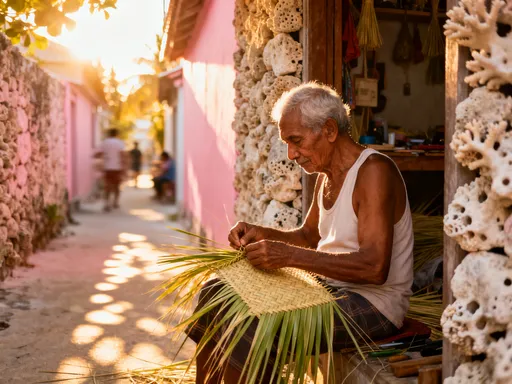
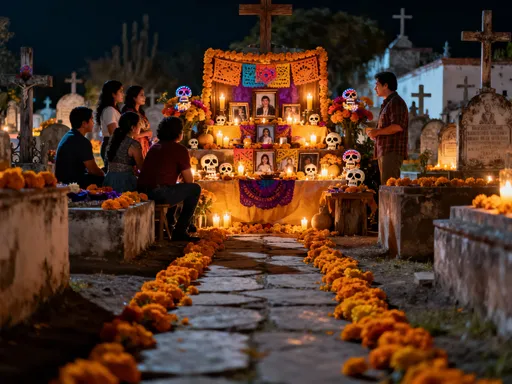
Faro isn’t just the quiet gateway to the Algarve—it comes alive when festival culture takes over. I experienced it firsthand: cobblestone streets pulsing with music, locals dancing under golden light, and traditions that pull you in like family. This is more than sightseeing; it’s belonging, even if just for a week. If you’ve ever wanted to feel a destination, not just visit it, Faro’s festivals might be your answer. The city reveals a soul many travelers overlook—rooted in maritime heritage, shaped by centuries of quiet resilience, and now celebrated through vibrant public joy. During festival season, the rhythm of daily life shifts, inviting visitors into a shared experience that feels both timeless and refreshingly alive. This is not performance for tourists; it’s life celebrated by locals, with open arms.
The Pulse of Faro: More Than a Beach Destination
Faro, the capital of Portugal’s Algarve region, is often seen as a transit point—somewhere you pass through on the way to sun-drenched beaches and seaside resorts. Yet beneath its calm exterior lies a cultural heartbeat that quickens each year when festivals take center stage. By day, the city offers serene strolls along the Ria Formosa Natural Park, where salt marshes shimmer under the Mediterranean sun and boat trips glide through quiet waterways. The historic Old Town, encircled by ancient Moorish walls, exudes a peaceful charm with its whitewashed buildings, tiled facades, and shaded courtyards. But when evening falls during festival season, Faro transforms. The atmosphere becomes electric, not in a loud or chaotic way, but with a warm, inclusive energy that draws people into the streets.
The city’s layout plays a key role in how festivals unfold. Its compact center means that celebration spills easily from one square to the next. Largo da Sé, anchored by the striking Sé Cathedral with its baroque façade, becomes a natural gathering point. Nearby, Praça Dom Francisco Gomes, usually a quiet hub for cafés and daily errands, fills with temporary stages, food kiosks, and crowds swaying to live music. Even the Arco da Vila, the grand stone arch marking the entrance to the Old Town, seems to stand taller, as if welcoming something special. What makes Faro unique is how seamlessly public spaces adapt to festive life without losing their authenticity. Unlike cities that build elaborate temporary structures or close off entire districts, Faro keeps its soul intact—festivals enhance the city rather than overwrite it.
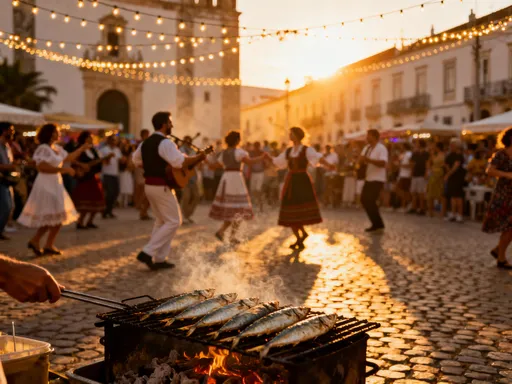
For visitors, the shift from passive observer to active participant happens naturally. When you walk through the city during a festival, you’re not just passing by; you’re being invited in. A grandmother might hand you a paper plate of grilled sardines with a smile. Children in traditional costumes wave as they march in a procession. Musicians pause mid-set to pull someone into a circle dance. This immersion is not staged—it’s the real rhythm of community life, amplified by celebration. And for women between 30 and 55, many of whom travel to recharge, reconnect, or rediscover themselves, this sense of belonging can be deeply moving. It’s not about grand gestures, but the quiet moments: sharing a table with locals, learning a folk tune, or simply feeling the warmth of lantern-lit streets at midnight.
Stepping Into Festival Season: When Tradition Meets Celebration
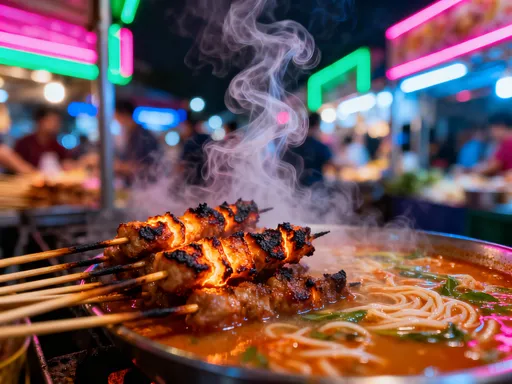
Faro’s festival calendar is shaped by the seasons, the sea, and centuries-old customs. Two of the most cherished events are the Festival do Marisco (Seafood Festival) and the Faro International Music Festival, each offering a different window into the region’s identity. The Seafood Festival, typically held in late summer, celebrates the Algarve’s deep connection to the ocean. For generations, fishing has sustained coastal communities, and this festival honors that legacy with pride. Along the marina and in the streets near the fish market, dozens of stalls serve fresh, simply prepared seafood—sardines grilled over open flames, cataplana stews simmered in copper pans, and percebes (gooseneck barnacles) served with lemon wedges. The air carries the briny scent of the sea, mingling with wood smoke and garlic, creating an aroma that lingers in memory long after the meal ends.
What stands out is not just the food, but the way it brings people together. Families set up long tables under canopies, sharing platters and bottles of local white wine. Chefs from small coastal towns compete in cooking demonstrations, proudly explaining their family recipes. Children dart between tables, clutching paper cones of fried shrimp, while elders recount stories of past fishing seasons. There’s a deep respect for the sea here—not just as a source of food, but as a force that shapes identity. This festival isn’t about spectacle; it’s a heartfelt expression of gratitude and continuity. For visitors, especially those who value home-cooked meals and family traditions, the experience feels familiar and comforting, even in a foreign land.
In contrast, the Faro International Music Festival, held in spring or early summer, highlights the city’s artistic spirit. Over several days, the streets, churches, and gardens host performances ranging from classical ensembles to contemporary world music. Concerts take place in unexpected settings—a string quartet beneath the orange trees of Jardim Manuel Bivar, a fado singer in a candlelit chapel, a jazz band on a floating stage over the lagoon. The programming is carefully curated to reflect both Portuguese heritage and global influences, creating a dialogue between old and new. What makes this festival special is its accessibility—most events are free, and seating is often on stone steps or grassy slopes, encouraging a relaxed, inclusive atmosphere.
Behind the scenes, the city prepares for months. Local artisans craft decorations, schools rehearse traditional dances, and community groups organize volunteer shifts. This collective effort reinforces the idea that festivals are not just entertainment, but acts of cultural preservation. For travelers, witnessing this preparation adds depth to the experience. You begin to see how traditions are passed down, not through textbooks, but through practice, participation, and pride. The festivals are not performances for outsiders—they are lived realities, shared generously with those willing to listen, taste, and join in.
A Day in the Life: Navigating the Festival Rhythm
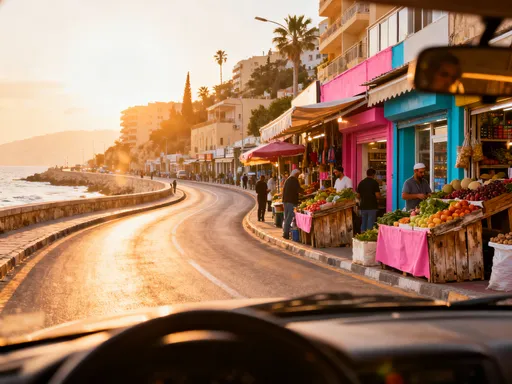
Spending a full day in Faro during festival season is like moving through a living story. The morning begins early, with the city already stirring. At the Mercado Municipal, the central market, vendors arrange pyramids of ripe figs, baskets of almonds, and glistening seafood fresh from the docks. The market is not just a place to shop—it’s a social hub where locals exchange news, barter gently, and offer recommendations. For visitors, it’s an ideal place to start the day, picking up a warm pastel de nata from a bakery stall or a paper cup of strong Portuguese coffee. The scent of orange blossoms drifts from nearby trees, blending with the earthy smell of produce and the salty breeze from the coast.
By mid-morning, festival activities begin to unfold. Workshops and cultural demonstrations are often held in courtyards or small plazas. You might find a lace-making session led by elderly artisans, showcasing the intricate手工技艺 of Algarvian embroidery. Or a cooking class where participants learn to make traditional breads using clay ovens. These hands-on experiences are especially meaningful for women who appreciate craftsmanship and domestic arts. They offer a slower, more reflective contrast to the evening’s energy, allowing time to connect with local culture in a quiet, personal way. Children often join these activities, laughing as they shape dough or thread needles, reinforcing the intergenerational nature of these traditions.
As afternoon turns to evening, the city’s tempo rises. Street performers appear on corners—accordion players, folk dancers in embroidered skirts, and drummers setting a steady beat. The main squares begin to fill, and temporary lighting casts a golden glow over the whitewashed walls. At Largo da Sé, a stage is set up in front of the cathedral, where a local band tunes their instruments. The music starts softly, then builds into a lively rhythm that pulls people into spontaneous dancing. Families arrive with folding chairs, teenagers gather in groups, and older couples sway arm in arm. The atmosphere is joyful but never frantic—there’s no pressure to perform, only to be present.
Dinner during festival season is not a private affair. Instead, long communal tables are set up, often sponsored by neighborhood associations or religious brotherhoods. Meals are simple but abundant: grilled fish, boiled potatoes, salad dressed with olive oil and vinegar, and bread served in baskets. Wine flows freely, and desserts appear on trays—orange tart, almond cake, and sweet rice pudding. Conversations flow across tables, sometimes in Portuguese, sometimes in broken English, but always with warmth. For a solo traveler or a small group, being welcomed into this setting can be profoundly touching. It’s not about perfect language or etiquette—it’s about sharing food, laughter, and the simple pleasure of being together.
Why Festival Culture Deepens Travel Experiences
Travel has evolved beyond checklist tourism—seeing landmarks, taking photos, and moving on. For many, especially women in their 30s to 50s, the desire is deeper: to feel connected, to slow down, to experience life as it’s lived. Festival culture offers exactly that. Unlike museum visits or guided tours, festivals are dynamic, unpredictable, and deeply human. They invite participation rather than observation. When you join a dance, try a dish from a family-run stall, or clap along to a folk song, you’re not just learning about a culture—you’re living it, even if only for a few hours.
This kind of experiential travel creates emotional resonance. Studies in psychology suggest that meaningful experiences—especially those involving social connection and sensory engagement—lead to longer-lasting memories than passive sightseeing. The brain remembers not just what you saw, but how you felt: the warmth of a shared meal, the rhythm of music in your chest, the pride in trying a new phrase in Portuguese. These moments become personal landmarks, more vivid than any photograph. For women who often carry the emotional labor of family and work, such experiences can be restorative. They offer a rare chance to step outside routine, to be seen not as a mother, wife, or professional, but as an individual open to joy and discovery.
Culturally, festivals serve as living classrooms. They teach respect for tradition, the value of community, and the beauty of simplicity. In Faro, there’s no emphasis on luxury or exclusivity—festivals are for everyone. This inclusivity fosters a sense of equality and belonging that is increasingly rare in modern life. Participating in such events can shift your perspective, reminding you that happiness often lies in shared moments, not material things. For travelers seeking authenticity, this is invaluable. It’s not about escaping reality, but reconnecting with what matters—connection, celebration, and gratitude.
Choosing the Right Festival: Timing and Travel Planning Tips
Planning a trip around Faro’s festivals requires some foresight, but the rewards are well worth the effort. The Festival do Marisco usually takes place in August, coinciding with warm weather and long evenings—ideal for outdoor dining and seaside walks. The Faro International Music Festival is often held in May or June, when temperatures are mild and the city is lush with spring blooms. Religious festivals, such as the celebrations honoring Saint Elizabeth in July, blend solemn processions with joyful street parties, offering a unique glimpse into local spirituality and heritage. Each event has its own character, so choosing the right one depends on your interests—whether you’re drawn to food, music, history, or community life.
Accommodation is the first thing to book. While Faro has hotels, guesthouses, and vacation rentals, options near the Old Town fill up quickly during festival weeks. Staying within walking distance of Largo da Sé or Praça Dom Francisco Gomes means you can return to your room between events or step out for a late-night stroll without needing transportation. Many visitors prefer family-run guesthouses, where hosts offer personal recommendations and sometimes even join festival activities themselves. These stays often feel more like visiting a friend than checking into a hotel, enhancing the sense of connection.
Transportation is straightforward but requires some adjustment during peak times. Faro Airport serves international and European flights, and the city’s train station connects to Lagos, Tavira, and Lisbon. During festivals, regional trains may run more frequently, and local shuttle buses often operate between key areas to reduce congestion. If you plan to explore beyond the city, renting a car in advance is advisable, though parking in the Old Town can be limited. For those who prefer not to drive, the compact size of Faro makes walking the best option—comfortable shoes are a must, especially on cobblestone streets.
What to Do (and What to Skip) for a Genuine Experience
To truly embrace Faro’s festival spirit, focus on activities that reflect local life. Prioritize tasting regional dishes at official festival stalls, where ingredients are fresh and preparation follows tradition. Attend free concerts, especially those held in historic settings like churches or gardens, as they offer both musical and architectural beauty. Explore artisan markets to support local craftspeople—look for handmade pottery, woven baskets, or embroidered linens, each carrying a piece of Algarvian heritage. These purchases are more than souvenirs; they’re tokens of connection, supporting communities that preserve cultural traditions.
Equally important is knowing what to avoid. Overcrowded tourist restaurants near the marina often serve generic “Portuguese-style” dishes with little authenticity. Similarly, late-night bars with loud music and imported drinks may offer entertainment, but they rarely reflect local culture. Instead of chasing crowds, seek out quieter moments—early morning walks along the city walls, conversations with market vendors, or a cup of tea in a hidden courtyard. These are the experiences that stay with you.
Respectful engagement enhances the experience for everyone. Learning a few basic Portuguese phrases—such as “bom dia” (good morning), “obrigada” (thank you), or “onde é o banheiro?” (where is the bathroom?)—shows appreciation and often earns warm responses. Observing local customs, like dressing modestly when entering churches or waiting your turn in lines, also goes a long way. Most importantly, approach the festival with an open heart. Don’t worry about getting the dance steps right or pronouncing words perfectly. Locals value effort and sincerity far more than fluency. When you show genuine interest, you’re not just a visitor—you’re a guest, welcomed into their world.
Faro’s Festival Magic: A Traveler’s Transformation
Leaving Faro after a festival week feels different than returning from a typical vacation. You don’t just bring back photos or souvenirs—you carry a shift in perspective. The experience lingers in small ways: the smell of grilled sardines triggers a smile, a folk melody hummed on the radio brings back golden evenings, and the memory of dancing in the square reminds you of joy’s simplicity. For many women, this kind of travel becomes a quiet act of renewal. It’s not about escaping responsibilities, but about remembering who you are beyond them.
The transformation is subtle but real. You become more present, more open to spontaneity, more attuned to the rhythms of life outside your daily routine. You realize that connection doesn’t require grand gestures—it can happen over a shared plate of food, a smile from a stranger, or a song sung in a language you don’t understand but feel in your bones. Faro’s festivals don’t promise luxury or adrenaline; they offer something deeper—authenticity, warmth, and the enduring magic of human connection.
In a world that often feels fragmented, traveling with intention—seeking out festivals, traditions, and community celebrations—might be the most meaningful way to explore. It’s not about seeing more places, but feeling more deeply. And if you’ve ever wanted to step out of the role of observer and into the heart of a culture, even for just one week, Faro invites you to do exactly that. The music will welcome you. The food will nourish you. And the people—smiling, dancing, sharing—will make you feel, at last, like you belong.