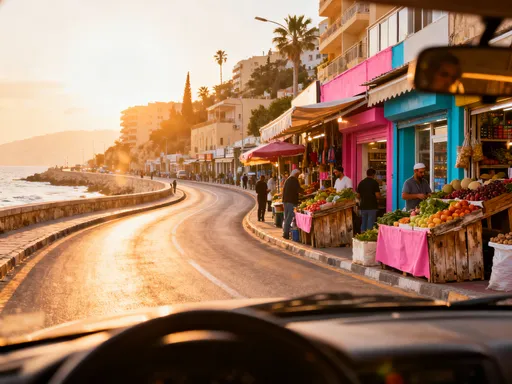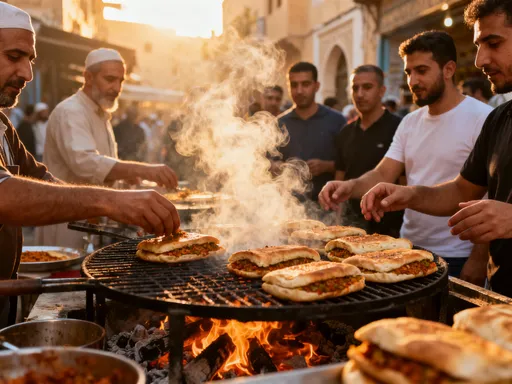
Oaxaca, Mexico, comes alive like nowhere else when festival season hits. I’m talking music spilling into cobblestone streets, colors that punch your eyes in the best way, and traditions so deep they give you chills. This isn’t just tourism—it’s total immersion. I went expecting art and tacos (which, yes, were mind-blowing), but left with something way bigger: a soul recharge. If you’ve ever wanted to feel *part* of a place, not just pass through, this is your sign.
The Pulse of Oaxaca: Why Festivals Define the Culture
Oaxaca is not simply a destination; it is a living mosaic of cultures, languages, and ancestral rhythms. With over 16 distinct Indigenous groups, including the Zapotec and Mixtec peoples, the state has preserved traditions that stretch back thousands of years. At the heart of this cultural continuity are its festivals—vibrant, deeply spiritual gatherings that pulse through the calendar with unmatched energy. These are not staged performances for tourists, but authentic expressions of identity, faith, and community resilience. Each celebration weaves together pre-Hispanic beliefs and Catholic traditions, creating a unique syncretism that defines Oaxacan life.
Festivals in Oaxaca serve as anchors for intergenerational connection. Elders pass down dances, recipes, and rituals to children who grow up learning that celebration is not entertainment, but responsibility. The word *guelaguetza*, for instance, comes from the Zapotec term meaning “reciprocal exchange of gifts,” a principle embedded in nearly every aspect of communal life. This spirit of giving—of time, food, music, and presence—fuels the festivals and strengthens social bonds. When an entire village comes together to prepare an altar or rehearse a danza, they are not merely organizing an event; they are reaffirming who they are.
The cultural significance of these festivals extends beyond emotional resonance—they are acts of preservation. In a world where globalization threatens local languages and customs, Oaxaca’s festivals stand as bold declarations of continuity. Young people return from cities to participate, elders lead ceremonies with quiet authority, and local governments often support events not as tourist attractions, but as public goods. The festivals are also deeply tied to the land and agricultural cycles, with many timed to coincide with planting or harvest seasons. This connection to the earth reinforces a worldview in which humans are not separate from nature, but part of its rhythm.
Two of the most renowned festivals—Guelaguetza and Día de los Muertos—offer powerful windows into this cultural fabric. Each draws thousands of visitors, yet remains rooted in local meaning. They are not spectacles to be consumed, but experiences to be entered with humility. For the people of Oaxaca, these events are not occasional diversions; they are the very heartbeat of community life, echoing through generations with unwavering strength.
Guelaguetza: The Crown Jewel of Oaxacan Celebration
If there is one festival that captures the essence of Oaxaca’s cultural richness, it is the Guelaguetza. Held annually in July, typically on two Mondays, this grand celebration brings together delegations from across the state’s eight regions, each representing a distinct cultural and geographic identity. From the mountainous Sierra Norte to the arid Mixteca and the coastal Isthmus of Tehuantepec, performers travel to Oaxaca City to share their music, dance, and traditions on a national stage. The event takes place at the iconic Cerro del Fortín amphitheater, a modern structure built into a hillside with sweeping views of the city below. As the sun dips behind the mountains, the air fills with anticipation.
The heart of the Guelaguetza lies in its regional dances. Each group performs in meticulously handcrafted costumes—embroidered blouses, woven sashes, feathered headdresses, and intricate jewelry—that reflect their community’s history and environment. The Danza de la Pluma, for example, reenacts the Spanish conquest through a dramatic, hours-long performance that blends spiritual devotion with historical memory. Other dances honor the harvest, the rain, or local saints, each movement steeped in symbolism. Accompanied by live music from traditional instruments like flutes, drums, and violins, the performances are both visually stunning and emotionally powerful.
What makes the Guelaguetza truly unique is its spirit of reciprocity. The word itself implies a mutual giving—between communities, between performers and audience, between the present and the past. Spectators are not passive observers; they are invited to participate in the exchange. It is common to see locals tossing handmade crafts, fruit, or flowers from the audience as a gesture of goodwill. Vendors line the pathways selling regional specialties—tamales wrapped in banana leaves, sweet tlayudas, and fresh aguas frescas—turning the event into a full sensory experience. Even those watching from home, via live broadcast, are considered part of the collective celebration.
While tourism has grown around the Guelaguetza, the festival remains firmly under community control. Local committees oversee casting, logistics, and cultural accuracy, ensuring that commercialization does not dilute authenticity. Performers are not professional dancers but members of rural communities who spend months preparing. Their participation is often funded through communal fundraising, reinforcing the idea that this is a collective effort. For many, being selected to perform is a lifelong honor. The Guelaguetza is not just a festival—it is a living archive of Oaxaca’s diversity, a vibrant declaration that cultural pride is worth preserving.
Day of the Dead: A Celebration That Transcends Mourning
In much of the world, death is a subject shrouded in silence. In Oaxaca, it is met with color, music, and open arms. Día de los Muertos, celebrated on November 1st and 2nd, is not a time of sorrow, but a joyful reunion with ancestors. Far from being a somber occasion, it is one of the most visually and emotionally rich festivals in the region. Families gather to build elaborate altars in their homes and cemeteries, adorned with marigolds, candles, photographs, and the favorite foods and drinks of the departed. The belief is simple yet profound: the souls of loved ones return each year to visit, and it is the living’s duty to welcome them with warmth and celebration.
The cemeteries of Oaxaca, particularly in villages like Xoxocotlán and Atzompa, become radiant spaces of light and song during this time. Families arrive before dusk, sweeping tombs, repainting graves, and arranging offerings. As night falls, thousands of candles flicker to life, casting a golden glow over the pathways. The scent of copal incense mingles with the sweetness of pan de muerto, a soft, orange-infused bread shaped like bones. Musicians play traditional melodies on string instruments, and children run between graves, laughing and holding paper lanterns. The atmosphere is not eerie, but intimate—like a family picnic infused with reverence.
One of the most breathtaking elements of Oaxaca’s Día de los Muertos is the creation of *tapetes de arena*—elaborate sand tapestries laid out in church plazas and public squares. These intricate designs, often depicting skulls, flowers, religious symbols, or scenes from daily life, are handcrafted by community groups over several days. Made from colored sand, sawdust, and flower petals, they are both stunning and temporary, a reminder of life’s impermanence. Some tapestries stretch across entire courtyards, requiring dozens of people to complete. Their beauty lies not only in their detail but in their fleeting nature—they are washed away by rain or swept up after the festival, symbolizing the cycle of life and death.
Another key aspect is the regional variation in how the holiday is observed. In the village of San Martín Tilcajete, known for its alebrijes—brightly painted wooden spirit animals—families incorporate these figures into their altars, believing they guide the souls home. In the Isthmus region, matriarchal traditions shape the celebrations, with women leading rituals and preparing special dishes like tamales de masa azul. These local differences underscore the decentralized, community-driven nature of the festival. Día de los Muertos in Oaxaca is not a monolithic event, but a tapestry of traditions, each thread representing a unique way of remembering and honoring those who came before.
Street-Level Magic: Parades, Music, and Spontaneous Joy
While the major festivals draw crowds to formal venues, some of the most memorable moments in Oaxaca happen in the streets—unplanned, unscripted, and utterly magical. The zócalo, or main square, often becomes an impromptu stage where brass bands, folk dancers, and costumed performers take turns delighting passersby. During Carnival season, weeks before Lent, neighborhoods erupt in color with *comparsas*—parades of dancers in elaborate masks and costumes who move through the streets in rhythmic procession. These events are not ticketed or scheduled in guidebooks; they are part of the local rhythm, known only to those who wander with open eyes.
In December, the tradition of *Las Posadas* transforms the city into a living nativity. For nine nights, processions reenact Mary and Joseph’s search for shelter, with participants singing traditional songs and knocking on doors until they are welcomed in. Homes along the route open their doors to share warmth, food, and piñatas filled with sweets. The event is both religious and communal, drawing families, children, and neighbors into shared celebration. Even visitors who stumble upon a Posada by chance are often invited to join—such is the spirit of inclusion that defines Oaxacan hospitality.
Music is the constant thread through these spontaneous celebrations. You might hear a mariachi band tuning up in a courtyard, a group of teenagers playing guitar on a bench, or a full orchestra performing in the cathedral plaza. The sound of drums, trumpets, and string instruments spills into alleyways, drawing people out of their homes and into the streets. In Oaxaca, music is not something you go to hear—it finds you. And when it does, it’s hard not to move, to smile, to feel part of something larger.
For travelers, the key to experiencing this street-level magic is simple: walk. Put away the map, silence the phone, and let curiosity guide you. Turn down a narrow lane if you hear laughter. Pause at a corner where a crowd has gathered. Ask a vendor what’s happening down the street. These unstructured moments—watching a child dance in a feathered mask, sharing a cup of atole with a local family, joining a candlelit procession—are often the ones that linger longest. They remind us that the soul of a place is not found in brochures, but in its everyday rhythms of joy.
Flavors of the Festival: Food as Celebration
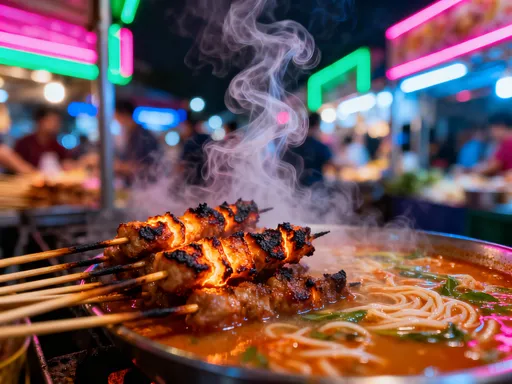
In Oaxaca, food is not an accessory to celebration—it is the celebration itself. Every festival is marked by a culinary explosion, where generations-old recipes come to life in home kitchens, market stalls, and communal kitchens known as *cocinas económicas*. The state is often called the gastronomic capital of Mexico, and during festival season, that reputation is on full display. From the smoky crunch of a tlayuda topped with chorizo and avocado to the rich, complex layers of a seven-mole tasting, the flavors are as diverse as the cultures that create them.
Mole is perhaps the most iconic element of Oaxacan cuisine, and during festivals, it takes center stage. The famous *mole negro*, made with over 20 ingredients including chocolate, chiles, spices, and plantains, is often prepared in enormous clay pots for communal meals. Families spend days roasting, grinding, and simmering the sauce, passing down recipes that have been refined over decades. Other varieties—mole coloradito, amarillo, and verde—accompany different meats and are served during specific celebrations. To taste mole during a festival is to taste history, patience, and love.
Sweets also play a vital role. During Día de los Muertos, families prepare *calaveras de azúcar*—decorated sugar skulls—often inscribed with the names of the living as a playful reminder of mortality. *Chocolate champurrado*, a thick, spiced hot chocolate, is served at dawn vigils and late-night gatherings, warming both body and spirit. In the markets, vendors sell *nicuatole*, a gelatinous corn-based dessert, and *dulces de leche* made from local fruits like guava and mamey. These treats are not mass-produced; they are handcrafted, often by women who have learned the recipes from their grandmothers.
The transformation of markets during festival season is remarkable. The Benito Juárez and 20 de Noviembre markets, normally bustling, become even more vibrant, with temporary stalls spilling into the streets. The air is thick with the scent of roasting meat, fresh herbs, and wood smoke. Vendors proudly display regional specialties—cheese from the Sierra, chapulines (toasted grasshoppers) from the countryside, and handmade tortillas pressed to order. For visitors, eating here is not just about taste; it’s about connection. Every bite supports a local family, every conversation with a vendor is a small act of cultural exchange. In Oaxaca, to share food is to share identity.
Planning Your Visit: Timing, Access, and Respectful Engagement
Experiencing Oaxaca’s festival season requires thoughtful planning, not just for comfort, but for respect. The most popular events—Guelaguetza in July and Día de los Muertos in early November—draw large crowds, so booking accommodations six to eight months in advance is strongly recommended. Many visitors choose to stay in Oaxaca City, which offers a range of lodging from boutique guesthouses to family-run inns, but those seeking a more immersive experience often book stays in nearby villages like Teotitlán del Valle or San Agustín Etla, where festivals are deeply community-based.
Transportation within Oaxaca is generally reliable, with local buses, taxis, and ride-sharing services available. For events outside the city, such as village-level Day of the Dead celebrations, guided community tours are often the best option, as they ensure access while supporting local economies. The state is accessible via the Xoxocotlán International Airport, with direct flights from Mexico City and other major hubs. Renting a car can offer flexibility, but narrow mountain roads and limited signage in rural areas require caution.
Equally important is how visitors choose to engage. These festivals are not performances; they are sacred traditions. When photographing ceremonies, especially in cemeteries or during religious processions, always ask for permission. Avoid touching altars or offerings, and never treat rituals as photo opportunities. Dress modestly when attending church-related events, and be mindful of noise levels in residential neighborhoods during late-night vigils.
Travelers can honor the culture by supporting local artisans, eating at family-owned restaurants, and purchasing crafts directly from makers. Be cautious of mass-produced souvenirs sold by non-local vendors; authentic Oaxacan textiles, pottery, and alebrijes are often signed or labeled with the artisan’s name and community. Participating in a cooking class, textile workshop, or guided cultural tour not only deepens understanding but ensures that tourism dollars benefit the people who sustain these traditions. Respectful travel is not about perfection—it’s about intention. Come with curiosity, listen more than you speak, and let the culture guide you.
Beyond the Party: The Lasting Impact of Oaxaca’s Festivals
Oaxaca’s festivals are often described in terms of color, music, and flavor—but their true significance runs much deeper. They are acts of cultural resistance, resilience, and renewal. In a world where homogenization threatens local identities, these celebrations serve as powerful affirmations of difference. They keep Indigenous languages alive, preserve ancestral knowledge, and sustain crafts that might otherwise disappear. When a young girl learns the steps of a traditional danza, when a potter shapes clay using techniques passed down for centuries, when a family gathers to build an altar for the tenth year in a row, they are not just remembering the past—they are ensuring its survival.
These festivals also foster a sense of belonging that transcends tourism. For Oaxacans, especially those living abroad, returning for a festival is a homecoming. It is a chance to reconnect with roots, to speak their native language, to taste the food of their childhood. For visitors, the experience can be transformative—not because they “discover” a new culture, but because they are invited, however briefly, to witness its depth and dignity. This is not passive observation; it is a quiet exchange of respect and recognition.
Moreover, the festivals strengthen community infrastructure. They create economic opportunities for small farmers, artisans, and cooks. They inspire local pride and civic participation. In some villages, festival organizing committees double as community councils, addressing issues from education to environmental protection. The events are not escapes from reality, but engagements with it—spaces where culture, economy, and social life intersect.
Ultimately, Oaxaca’s festivals remind us that joy can be purposeful. They are not distractions from the challenges of modern life, but responses to them—affirmations of identity, continuity, and connection. To attend one is not merely to see a show, but to stand in the presence of something enduring. It is to understand that tradition is not static, but alive, evolving, and deeply human. So if you go, go with open eyes, an open heart, and a willingness to listen. Let the music move you, the flavors surprise you, and the spirit of *guelaguetza*—the gift of giving—inspire you. Because in Oaxaca, celebration is not just what they do. It is who they are.