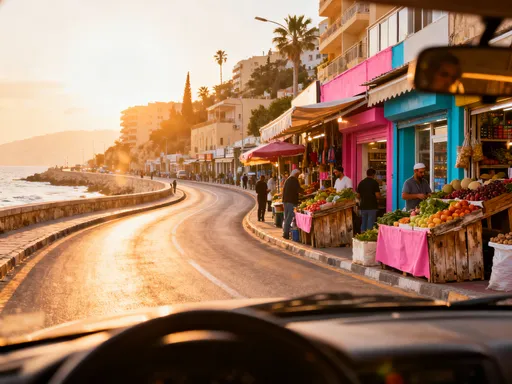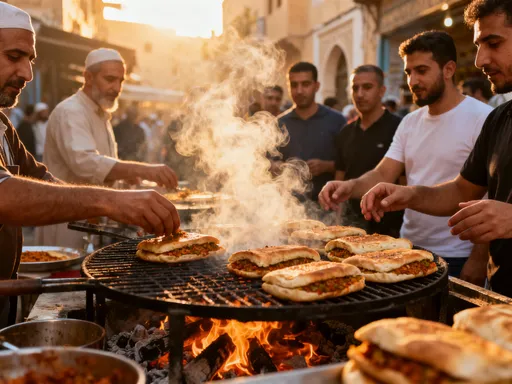
Kuala Lumpur isn’t just about skyscrapers and street markets—it’s a full-on flavor explosion. I went looking for dinner and ended up on a culinary rollercoaster I never saw coming. From steaming hawker stalls to hidden rooftop kitchens, every bite told a story. This city doesn’t just feed you; it speaks to you through spices, smoke, and secret family recipes passed down for generations. If you think you know Malaysian food, think again—KL’s specialty dining scene is rewriting the rules. What began as a simple quest for a good meal transformed into a journey of connection, memory, and unexpected joy. In Kuala Lumpur, food is not merely sustenance—it’s a living, breathing language of culture, history, and heart.
First Bite, Lasting Impression
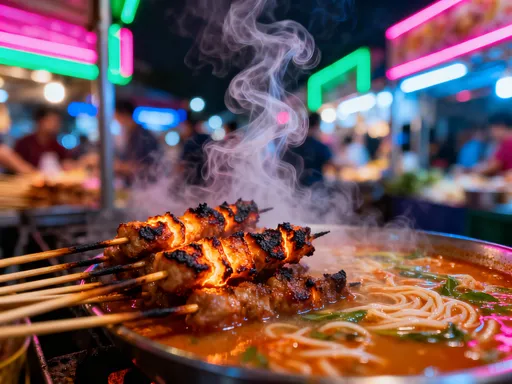
The first moment you step into Kuala Lumpur after dark, the city wraps around you like a warm, fragrant embrace. The air hums with sizzling oil, the tang of fermented shrimp paste, and the sweet smoke of charcoal grills. Your senses don’t just awaken—they collide. In places like Bukit Bintang or along the famed Jalan Alor, the night comes alive with a symphony of clattering woks, bubbling broths, and the rhythmic chop of cleavers on wooden boards. It’s not just about hunger; it’s about anticipation, curiosity, and the quiet thrill of knowing you’re about to taste something unforgettable.
Imagine standing at a roadside stall, watching a vendor deftly flip a roti canai in midair before slapping it onto a hot griddle. Or inhaling the rich, coconut-laced steam rising from a bowl of laksa, its broth glowing amber from turmeric and chilies. These aren’t just dishes—they’re performances, rituals passed down through years of practice and pride. The first bite of tender beef rendang, slow-cooked until it melts on the tongue, or the sharp, herbal punch of a well-balanced nasi ulam can shift your entire understanding of what food can do. It doesn’t just satisfy; it resonates.
What makes this moment so powerful is that it dismantles expectations. In many cities, specialty dining means white tablecloths, sommeliers, and hushed tones. In Kuala Lumpur, it means plastic stools, shared tables, and laughter ringing over the clink of glasses. The authenticity isn’t curated—it’s lived. You don’t need a reservation or a dress code to experience culinary excellence. All you need is an open mind and an empty stomach. This immediacy, this raw honesty in flavor and setting, is what sets KL apart from the start. It tells you, without words, that here, food is for everyone—and it’s meant to be felt, not just seen.
Why KL’s Culinary Identity Stands Out
Kuala Lumpur’s food culture is unlike any other because it is not the product of a single tradition, but the harmonious blending of many. At its core lies Malaysia’s rich multicultural tapestry—Malay, Chinese, Indian, and Peranakan communities, each contributing distinct flavors, techniques, and philosophies to the city’s culinary identity. This is not fusion for the sake of trendiness; it’s integration born of generations of coexistence, shared neighborhoods, and daily interaction. The result is a cuisine that is deeply layered, emotionally resonant, and endlessly surprising.
Take Hainanese chicken rice, a dish that originated in China but has been perfected in Malaysia with subtle yet profound local touches. Here, the poached chicken is silkier, the rice more fragrant—cooked in chicken broth and pandan leaves for a delicate floral note. The chili sauce isn’t an afterthought; it’s a complex condiment, blending bird’s eye chilies, garlic, ginger, and a splash of vinegar to cut through the richness. It’s the same dish, yet entirely different—a testament to how food evolves when it’s embraced by a new home.
Then there are the curries—deep, aromatic, and profoundly satisfying. Malay rendang, slow-cooked for hours until the coconut milk reduces into a thick, spicy paste, is a masterpiece of patience and precision. Indian Muslim curries, like murtabak or fish head curry, layer rempah—a paste of ground spices including coriander, cumin, and candlenuts—with fresh aromatics and slow-simmered depth. Even something as simple as a bowl of curry mee can contain a dozen ingredients, each contributing to a flavor profile that unfolds with every spoonful.
Yet tradition here is not frozen in time. Innovation thrives alongside heritage. Modern cafes serve kaya toast—Malaysia’s beloved coconut jam on grilled bread—not just as a breakfast staple, but as a gourmet experience, paired with artisan coffee or house-made butter. Young chefs are reinterpreting classics with global techniques, yet always with respect for the soul of the dish. This balance between preservation and progress is what gives KL’s food scene its dynamic energy. It honors the past without being bound by it, ensuring that every generation can find something familiar—and something new—in every bite.
Hawker Stalls That Feel Like Home
If the soul of Kuala Lumpur’s food culture has a heartbeat, it pulses strongest in its hawker centers and open-air food courts. Places like Medan Selera, Taman Connaught, or the bustling night markets of Section 17 in Petaling Jaya are not just places to eat—they’re community hubs, gathering spots where families, friends, and strangers share tables under fluorescent lights and ceiling fans. These are democratic spaces where a plate of noodles costs less than a bottled drink, yet delivers more flavor than most fine-dining entrées.
At these stalls, food is made with speed, skill, and pride. Watch a wok master stir-fry char kway teow over roaring flames, the wide rice noodles catching the smoky kiss of the fire, mingling with plump cockles, Chinese sausage, and egg. Or witness the artistry of roti canai—dough stretched thin as paper, spun and folded until it becomes a flaky, golden disc, served with a side of rich, spiced dhal or flaky fish curry. Every movement is practiced, every ingredient measured by instinct rather than scale.
What makes these meals so memorable isn’t just the taste—it’s the connection. A vendor might hand you a plate with a warm smile and say, “Extra chili—good for the heart.” Or an elderly auntie might offer you a sample of her homemade pickles, insisting you try “the real taste.” These small gestures turn a simple meal into a moment of belonging. You’re not just a customer; you’re a guest.
And the affordability cannot be overstated. For the price of a few dollars, you can enjoy a full, satisfying meal that nourishes both body and spirit. This accessibility ensures that great food isn’t reserved for the wealthy or the tourist—it’s woven into the daily rhythm of life. Whether you’re a local office worker grabbing lunch or a visitor exploring the backstreets, the hawker stall welcomes you with open arms and a steaming plate. In a world where dining out often feels exclusive or performative, KL’s street food culture remains refreshingly real, humble, and deeply human.
The Rise of Hidden Kitchen Experiences
Beyond the neon-lit stalls and crowded food courts, Kuala Lumpur has quietly cultivated a new kind of dining experience—one that thrives in secrecy and intimacy. Across the city, private homes, rooftop terraces, and repurposed colonial bungalows have transformed into reservation-only supper clubs, where meals feel less like transactions and more like invitations. These hidden kitchens aren’t listed on Google Maps or TripAdvisor. You don’t find them by searching; you find them through word of mouth, a trusted friend, or a well-connected local guide.
One such evening might begin with a quiet knock on an unmarked door in Bangsar or Bangsar Park. Inside, a colonial-era house has been softly lit with candles and string lights. A long wooden table is set for ten, surrounded by strangers who will soon become companions. The host, often a home cook or retired chef, moves between the kitchen and table, serving course after course of精心 prepared dishes—each one tied to a memory, a family recipe, or a regional tradition. A bowl of asam pedas fish stew arrives, its sour tang from tamarind and torch ginger flower, and with it, a story about fishing trips in Melaka. A plate of nyonya kuih—colorful steamed cakes—comes with a childhood tale of Lunar New Year celebrations in Penang.
These meals are not just about taste; they are about storytelling, heritage, and shared humanity. There’s no menu, no wine pairing, no pretense. What you get is authenticity in its purest form—a home-cooked feast served with warmth and generosity. The absence of branding or publicity makes these experiences feel sacred, almost secret. They remind you that food, at its best, is personal. It’s not about Instagrammable plating or viral trends—it’s about connection, memory, and the quiet joy of breaking bread with others.
For travelers seeking more than sightseeing, these hidden kitchens offer a rare window into Malaysian life. They bypass the tourist trail and deliver something far more valuable: cultural intimacy. You don’t just learn about the food—you understand the people behind it. And in that understanding, you begin to feel, however briefly, like you belong.
Fine Dining With a Local Soul
While street food and hidden kitchens capture the heart of KL’s culinary scene, the city’s upscale restaurants prove that elegance and authenticity can coexist. Establishments like Dewakan, Atmosphere 360, or Fynn’s Kitchen have redefined what fine dining means in Malaysia—not by imitating European models, but by elevating local ingredients and traditions to an art form. Here, presentation is refined, service is impeccable, but the soul remains unmistakably Malaysian.
Dewakan, often hailed as Malaysia’s first true fine-dining restaurant with a focus on indigenous ingredients, offers tasting menus that read like love letters to the rainforest. Dishes feature foraged greens, wild ferns, native yams, and river fish, all prepared with modern techniques that enhance rather than overshadow their natural flavors. A single course might include tapioca leaves cooked in coconut milk, served with a sambal made from wild chilies and fermented shrimp paste. Every bite is a journey into Malaysia’s biodiversity, a celebration of what grows naturally in its soil.
Atmosphere 360, perched high above the city in the Kuala Lumpur Tower, offers panoramic views and a menu rooted in Malaysian classics—reimagined with precision and care. Think duck confit rendang, where the rich, spiced sauce is paired with tender duck leg, or a deconstructed laksa with layers of coconut foam and crispy rice noodles. The experience is luxurious, yet never alienating. Prices for tasting menus remain surprisingly reasonable compared to global counterparts, making high-end dining accessible to more than just the elite.
What sets these restaurants apart is their commitment to narrative. Chefs don’t just cook—they educate, sharing the origins of ingredients, the history of dishes, and the cultural significance behind each preparation. Menus often include notes on sourcing, such as “wild honey from the Orang Asli communities” or “hand-foraged torch ginger from Cameron Highlands.” This transparency builds trust and deepens appreciation. It transforms a meal into a conversation—one that honors the past while embracing the future. In KL, fine dining isn’t about exclusivity; it’s about inclusion, education, and pride in local heritage.
Practical Tips for Navigating KL’s Food Maze
With so much to explore, planning a culinary journey through Kuala Lumpur can feel overwhelming. But with a few practical strategies, even first-time visitors can navigate the city’s food landscape with confidence and joy. The key is to embrace flexibility, stay curious, and prepare just enough to avoid common pitfalls.
Timing matters. While some stalls open early, the true energy of KL’s food scene begins in the evening. Jalan Alor, for example, comes alive after 6 p.m., when neon signs flicker on and the aroma of grilled seafood fills the air. Weekends are especially vibrant, with families and friends gathering for late-night suppers. If you prefer a quieter experience, weekdays from 5 to 7 p.m. offer a good balance of availability and comfort.
Transportation is straightforward. The MRT and LRT systems connect major neighborhoods, making it easy to hop from Bukit Bintang to KL Sentral or Bangsar. For shorter distances or late-night returns, ride-hailing apps like Grab are safe, affordable, and widely used. Taxis are available but less reliable; always confirm the meter is on or agree on a fare beforehand.
Cash is still king at most hawker stalls and smaller eateries. While some upscale places accept cards, many roadside vendors operate on a cash-only basis. It’s wise to carry small bills—RM1, RM5, RM10—to make transactions smoother. ATMs are plentiful, but lines can be long during peak hours.
When choosing where to eat, follow the crowd. A busy stall with a queue is usually a sign of quality and freshness. Look for cleanliness—washed hands, covered ingredients, and tidy workspaces. Trust your instincts: if a place feels off, move on. Apps like OpenRice or Google Maps reviews can help identify popular spots, but don’t rely on them exclusively. Some of the best meals are found by wandering and following your nose.
Spice tolerance varies widely. Malaysian food can be fiery, but most vendors are happy to adjust heat levels if asked. A simple “less spicy, please” or “mild” goes a long way. Don’t be afraid to start mild and build up as your palate adapts. Many dishes, like nasi lemak or kuih-muih, are naturally gluten-free or vegetarian-friendly, though it’s always good to ask about ingredients if you have specific dietary needs. Most Malaysians are accommodating and will gladly modify a dish to suit your requirements.
Beyond the Plate: How Food Connects You to the City
In Kuala Lumpur, every meal has the potential to become a doorway—to people, to stories, to a deeper understanding of the city itself. It’s rare for a traveler to leave KL without at least one moment where food became more than sustenance. Perhaps it was the shared table at a mamak stall at 2 a.m., where laughter flowed as freely as teh tarik, and a group of strangers became instant friends over plates of roti tissue and curry. Or maybe it was a cooking class in a suburban home, where a grandmother taught you to pound rempah with a mortar and pestle, sharing tales of her childhood in Ipoh.
These experiences reveal a truth that lies at the heart of Malaysian culture: food is connection. It’s how families stay close, how communities gather, how histories are preserved. When you accept a plate from a vendor, when you sit at a communal table, when you taste a recipe passed down through generations, you’re not just eating—you’re participating in a living tradition. You’re being welcomed, even if only for a moment, into someone else’s world.
That’s why the most valuable advice for visiting Kuala Lumpur isn’t about where to go or what to order—it’s about how to be. Come with humility. Come with curiosity. Ditch rigid itineraries and let your senses guide you. Follow the smell of grilled satay down a side street. Accept an invitation from a stranger. Try the dish you can’t pronounce. Because in Kuala Lumpur, the best meals aren’t found—they’re discovered. And in that discovery, you don’t just taste the city. You feel it, remember it, and carry it with you long after you’ve left.