Driving into Jounieh, Lebanon, feels like stepping into a vibrant rhythm where the Mediterranean breeze meets urban energy. I took a self-drive trip not for beaches or churches, but to explore its beating commercial heart — the bustling streets, local markets, and coastal promenades lined with life. What I found was unexpected: a dynamic blend of tradition and modernity, where every turn reveals a new shop, scent, or story. This is more than a city; it’s a sensory journey shaped by freedom on four wheels.
The Freedom of Self-Driving in Lebanon
Traveling through Lebanon by rental car offers a level of independence unmatched by public transportation or guided tours. While intercity buses exist, they often follow rigid schedules and limited routes that bypass emerging commercial zones just off the main roads. In contrast, driving yourself allows spontaneous detours — stopping at a roadside spice vendor, circling a neighborhood to find parking near a bustling souk, or discovering a tucked-away bakery known only to locals. The coastal highway from Beirut to Jounieh, approximately 18 kilometers long, is well-paved and frequently maintained, making it one of the most accessible drives in the country.
Navigation along this route is generally straightforward, with clear signage in both Arabic and English indicating exits, roundabouts, and major landmarks. GPS applications such as Google Maps and Waze function reliably in this region, offering real-time traffic updates and alternate routes during peak hours. What makes self-driving particularly valuable is the ability to access commercial areas that thrive outside tourist itineraries — small plazas, wholesale districts, and neighborhood markets that are either too scattered or too informal for group excursions to include.
Moreover, Lebanon’s commercial activity often peaks during early mornings or late afternoons, times when public transit options are sparse. A personal vehicle ensures you can arrive when markets are fully stocked and foot traffic is high, giving you a more authentic sense of local commerce. Whether it’s a flower stall setting up at dawn or a family-run electronics shop opening its shutters before the sun climbs, these moments define the rhythm of daily economic life. Driving allows you to sync with that rhythm, rather than conform to an external schedule.
Another advantage is flexibility in carrying purchases. Unlike travelers dependent on buses or taxis, those behind the wheel can buy fresh produce, handmade goods, or home decor without worrying about transport logistics. This freedom enhances not only convenience but also engagement — knowing you can take home what you discover encourages deeper exploration. Self-driving transforms shopping from a passive experience into an active form of cultural immersion.
First Impressions: Entering Jounieh by Car
As the car leaves behind the dense skyline of Beirut, the landscape begins to shift. The narrow, congested streets give way to wider lanes, and the air carries a noticeable freshness — a blend of sea salt and diesel fumes, pine and frying dough. The first glimpse of Jounieh often comes from the elevated stretch of the coastal highway, where the city unfolds like a crescent hugging the bay. To the west, the Mediterranean sparkles under the sun; to the east, hills rise with clusters of pastel-colored buildings cascading down toward the shore.
Even before reaching the city center, signs of commercial vitality appear. Along the roadside, wooden carts display pyramids of citrus fruits, bananas, and pomegranates, tended by vendors waving at passing cars. Mini-marts with fluorescent signs stand at nearly every intersection, offering everything from bottled water to phone chargers. These small-scale enterprises signal the start of Jounieh’s entrepreneurial pulse — informal yet organized, local yet connected to broader supply chains.
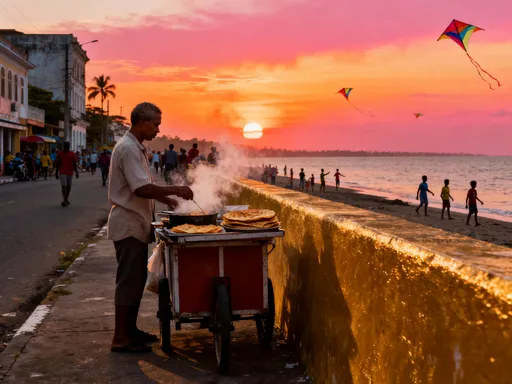
As the highway curves inland, the Corniche comes into view — a seaside promenade lined with palm trees, cafés, and kiosks. During weekends, families stroll along the walkway while children chase pigeons near fountain plazas. But even on quieter weekdays, the area hums with activity: delivery motorcycles weaving through traffic, waiters arranging outdoor tables, and shopkeepers sweeping sidewalks. From the driver’s seat, this unfolding scene provides a real-time introduction to the city’s economic heartbeat — not through statistics, but through motion, color, and sound.
One of the most striking transitions is the change in architectural character. Beirut’s downtown features a mix of reconstructed French Mandate buildings and modern glass towers, but Jounieh retains a more organic, layered look. Older stone façades sit beside newer concrete structures, and family-owned shops often occupy ground floors with living quarters above. This vertical integration of home and business reflects a deeply rooted tradition of small enterprise, where commerce is not separated from daily life but woven into its fabric. Approaching the city by car offers a privileged vantage point — not just to see these details, but to understand how they connect across neighborhoods.
Heart of Commerce: Downtown Jounieh and the Central Market District
Downtown Jounieh is the nucleus of local trade, a maze of narrow streets where commerce spills onto sidewalks and alleyways. Here, family-run businesses dominate — pharmacies with handwritten price tags, fabric stores stacked with bolts of embroidered linen, and appliance shops displaying washing machines and air conditioners in their windows. Unlike sterile shopping malls, this district thrives on human interaction. Bargaining is common but polite, and shopkeepers often greet regular customers by name, offering tea or a sample of fresh dates.
The rhythm of trade follows a predictable yet lively pattern. Mornings begin with deliveries — trucks unloading crates of vegetables, men carrying sacks of rice into grocery stores, or women arranging displays of olives and pickles in glass jars. By mid-morning, foot traffic increases as residents run errands, schoolchildren buy snacks, and workers pick up lunch from nearby falafel stands. Prices are generally lower than in tourist-heavy areas, reflecting the area’s primary role as a service hub for locals rather than visitors.
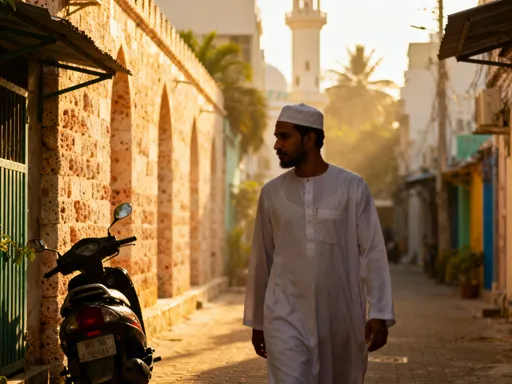
Architecture in this zone tells its own story of adaptation. Many buildings date back several decades, with wrought-iron balconies and tiled roofs, yet ground floors have been repeatedly renovated to accommodate changing retail needs. A former tailor’s workshop might now house a mobile phone repair shop; a ground-floor apartment could double as a stationery store. This fluid use of space underscores the resilience of small business owners who adjust their offerings based on demand, season, or economic conditions.
Foot traffic flows in waves, influenced by prayer times, school schedules, and weather. On hot days, activity dips between noon and 3 PM, when many shops close temporarily. But late afternoons bring renewed energy, as people return from work and prepare evening meals. The market district becomes a sensory tapestry — the scent of cumin and grilled meat, the clatter of metal shutters opening, the call to prayer echoing over rooftops. For the self-driver, parking may require patience, but even circling the block offers insight into lesser-known corners: a hidden spice vendor, a flower shop arranging bouquets, or a printer’s stall offering same-day photo services.
The Corniche: Where Scenery Meets Shopping
The Jounieh Corniche is more than a scenic walkway — it is a hybrid space where leisure and commerce intertwine. Stretching along the coastline, this pedestrian-friendly promenade is dotted with kiosks selling cold drinks, roasted nuts, and souvenirs. Vendors operate small carts offering freshly squeezed orange juice, mint lemonade, or creamy gelato in pastel cups. These micro-businesses thrive on foot traffic, especially during weekends when families gather to enjoy the sea view and children play near playgrounds.
What makes the Corniche unique is how it blends relaxation with consumption. Outdoor seating areas in front of cafés encourage lingering, which in turn boosts sales of coffee, shisha, and light meals. Many of these establishments offer shaded terraces with views of the bay, creating an inviting atmosphere that draws both tourists and locals. The presence of vehicle access points along side streets allows delivery trucks and service vehicles to restock supplies efficiently, ensuring continuous operation even during peak hours.
Popular stops along the Corniche include juice bars known for their seasonal blends — pomegranate in autumn, tamarind in summer — and snack vendors grilling corn on the cob or frying sambousek filled with cheese or meat. These foods are not only affordable but deeply rooted in regional culinary traditions. The casual economy here operates on immediacy: people buy what they can consume on the spot, often while walking or sitting by the sea. This model supports low-overhead entrepreneurship, enabling individuals to run small, sustainable businesses without large investments.
For drivers, the Corniche offers convenient access via designated parking zones near major plazas. While the promenade itself is pedestrian-only, the surrounding streets allow drop-offs and short-term parking, making it easy to visit specific shops or meet companions. The integration of vehicle and foot traffic demonstrates thoughtful urban planning — a balance between mobility and safety, commerce and recreation. From behind the wheel, one can appreciate how this area functions as both a social space and an economic corridor, where every bench, kiosk, and café contributes to the city’s commercial ecosystem.
Modern Retail Hubs: From Local Malls to Strip Centers
Alongside traditional markets, Jounieh has seen the rise of semi-modern retail spaces catering to evolving consumer habits. These include neighborhood shopping plazas and mid-sized malls anchored by supermarkets, clothing stores, and electronics outlets. Unlike large, air-conditioned megamalls found in Gulf cities, these centers maintain a more accessible scale, often built at ground level with open-air walkways and ample parking. Their design reflects a blend of practicality and comfort, appealing especially to middle-class families who value convenience without extravagance.
One notable feature of these retail hubs is their tenant mix. International brands such as mobile phone retailers or fast-fashion chains coexist with local businesses — a shoe repair shop next to a sunglasses vendor, or a pharmacy sharing a plaza with a children’s toy store. This diversity mirrors the broader economic landscape of Lebanon, where global influences meet homegrown enterprise. Parking is typically free and plentiful, a significant advantage over crowded downtown areas where street parking requires patience and local knowledge.
These centers also serve as social destinations. Parents bring children to play areas while shopping, couples meet for coffee, and friends gather after work. The presence of ATMs, seating zones, and shaded entrances enhances accessibility, particularly during summer months. For self-drivers, the ability to park close to multiple stores reduces physical strain and increases efficiency — a practical benefit that encourages longer visits and higher spending.
Compared to traditional souks, these modern spaces offer a different kind of experience: more structured, less chaotic, and often priced slightly higher. Yet they do not replace the older markets; instead, they complement them. Many residents visit both — buying fresh produce at the central market in the morning, then stopping at a strip center in the afternoon for packaged goods or electronics. This dual pattern highlights a shift in consumer behavior, where convenience and variety are increasingly valued, but tradition remains influential. For travelers, exploring both types of spaces provides a fuller picture of Jounieh’s commercial identity.
Local Flavors: Food Markets and Street Eats Along the Route
Among the most vivid expressions of commerce in Jounieh are its food markets and street vendors. These are not mere attractions but essential components of daily life, where nutrition, culture, and economy converge. Open-air produce markets offer heaps of seasonal vegetables — eggplants, tomatoes, cucumbers — arranged in colorful pyramids. Vendors call out prices, hand customers samples of ripe figs or melons, and pack purchases in reusable bags. The emphasis is on freshness, locality, and affordability, reflecting a food system still closely tied to nearby farms and orchards.
Bakeries play a central role in this edible economy. Early each morning, the scent of baking bread fills the air as ovens turn out manakish — flatbreads topped with za’atar, cheese, or minced meat. These are sold by the piece or by weight, often wrapped in paper and carried home for breakfast. Some bakeries operate 24 hours, serving night-shift workers or families preparing meals at odd hours. The simplicity and consistency of these offerings make them a staple across income levels.
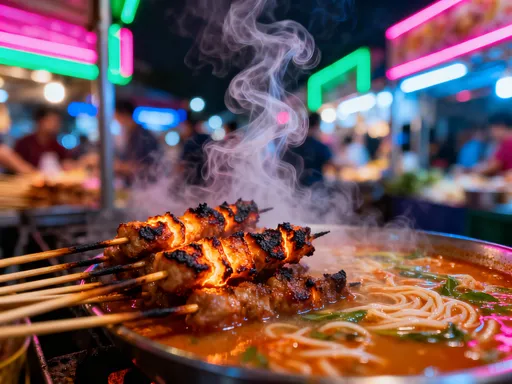
Street food vendors add another layer of flavor and spontaneity. Along main roads and near busy intersections, men grill skewers of lamb kebabs or chicken over charcoal, their smoke curling into the evening air. Others fry sambousek in deep pans, filling the golden pastries with spiced potatoes or cheese. These foods are inexpensive, filling, and deeply satisfying — perfect for a quick meal between errands or after a long drive. The act of buying from a street vendor is not just transactional; it is social. Regular customers exchange greetings, discuss prices, or comment on the weather, reinforcing community bonds.
For self-drivers, the ability to stop at these food hubs without time constraints is invaluable. One can park briefly to buy a bundle of fresh herbs, pick up a tray of warm pastries, or order a grilled sandwich to eat later. The car becomes a mobile extension of the shopping experience, allowing travelers to collect ingredients for a homemade meal or bring gifts back to loved ones. This freedom to engage with edible commerce on one’s own terms deepens the connection between travel and culture, turning simple purchases into meaningful encounters.
Practical Tips for the Self-Driving Shopper
To make the most of a self-drive shopping journey in Jounieh, timing and preparation are key. The best hours to drive and explore are early morning (7–9 AM) or late afternoon (4–7 PM), when traffic is lighter and markets are fully stocked. Midday, especially between 12 PM and 3 PM, brings intense heat and congestion, with many shops closing for a break. Planning your route around these patterns ensures a more comfortable and productive experience.
Parking availability varies by area. In downtown Jounieh, street parking requires vigilance — look for open spots along side streets or use small public lots near the market district. The Corniche and modern retail plazas typically offer dedicated parking spaces, often free of charge. Some larger centers have security personnel to guide drivers, enhancing safety and ease of access. When in doubt, ask a shopkeeper or passerby for advice; locals are generally willing to help with directions.
Fuel stations are readily available along the Beirut–Jounieh highway and within the city. Major brands operate reliable outlets with clean facilities, and most accept cash in Lebanese pounds or U.S. dollars. Credit card usage is growing but not universal, so carrying cash is advisable. Navigation apps like Google Maps and Waze work well, though occasional signal drops may occur in narrow alleys or underground parking areas. Downloading offline maps in advance can prevent disruptions.
Understanding local traffic patterns also helps. Roundabouts are common, and right-of-way rules are not always strictly observed. Drivers should remain alert, especially during peak hours. A useful strategy is to follow a loop route — entering Jounieh via the coastal road, circling through downtown, stopping at the Corniche, then returning via inland streets. This maximizes exposure to different commercial zones while minimizing backtracking. With careful planning, self-driving becomes not just a means of transport, but a tool for discovery.
Ultimately, the ability to drive oneself through Jounieh transforms the act of shopping into a narrative of exploration. Each stop — whether a fruit stand, a fabric shop, or a juice kiosk — adds a chapter to a larger story about resilience, ingenuity, and daily life. The road does not merely lead to destinations; it reveals the texture of a city in motion.
Reflect on how self-driving reshapes the way we understand a city — not just as a tourist map, but as a living network of exchange, energy, and local pride. Jounieh’s commercial areas, seen from behind the wheel, tell a story of resilience, adaptation, and everyday vibrancy. The road doesn’t just take you places — it reveals them.