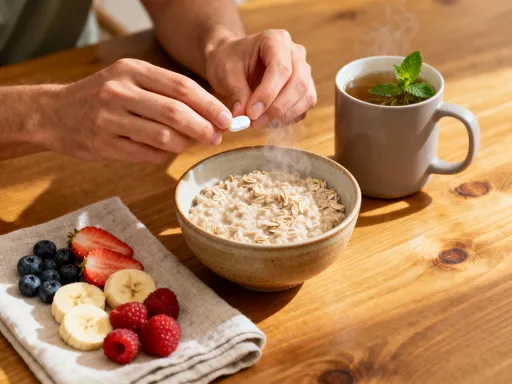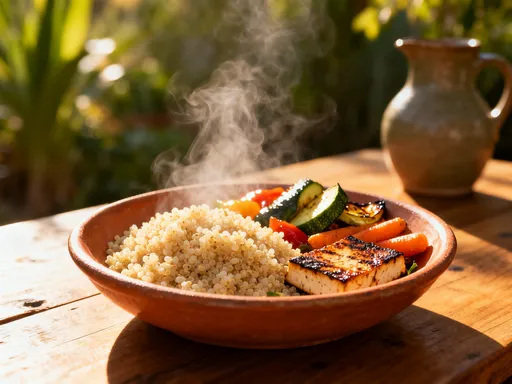
What if aging wasn’t just about years, but about choices—especially what’s on your plate? I’ve spent years exploring how food shapes how we feel, look, and age. It’s not magic, but science: certain dietary patterns actively support cell health, energy, and vitality. After testing principles myself and seeing real shifts—more glow, better digestion, clearer focus—I realized: anti-aging starts in the kitchen. This isn’t about restrictive diets, but sustainable, powerful eating habits that work *with* your body. Let’s break down what really matters.
The Truth About Aging: It’s Not Just Wrinkles
Aging is often portrayed as a visible process—graying hair, fine lines, slower movements—but the real story unfolds far beneath the surface. Biological aging is not merely the passage of time; it is the accumulation of cellular damage influenced by lifestyle, environment, and crucially, nutrition. At the cellular level, two key processes drive aging: oxidative stress and chronic inflammation. Oxidative stress occurs when free radicals—unstable molecules produced naturally during metabolism—outnumber the body’s antioxidants, leading to damage in DNA, proteins, and cell membranes. This imbalance accelerates the breakdown of tissues and contributes to the visible signs of aging.
At the same time, chronic low-grade inflammation acts like a silent fire smoldering within the body. Unlike acute inflammation, which is a short-term response to injury, chronic inflammation persists over years and is linked to age-related conditions such as joint stiffness, fatigue, and dull skin. Research shows that individuals with elevated markers of inflammation tend to experience faster biological aging, even if they are the same chronological age as others. This helps explain why two women in their fifties can look and feel dramatically different—one vibrant and energetic, the other tired and worn.
Cellular turnover, the process by which old cells are replaced with new ones, also slows with age. In youth, skin renews itself every 28 days, but by age 50, that cycle can stretch to 45 days or more. The result? A buildup of dull, dead skin cells and slower healing. However, this process is not fixed. Diet plays a direct role in supporting cellular repair and regeneration. Nutrients like vitamins A, C, and E, along with minerals such as zinc and selenium, are essential for maintaining skin integrity and promoting collagen production. These are not abstract concepts—they are tangible elements that can be harnessed through daily food choices.
The takeaway is clear: aging is not an inevitable decline, but a dynamic process shaped by what we eat. By focusing on foods that reduce oxidative stress and calm inflammation, we shift the narrative from passive acceptance to active influence. This means moving beyond creams and serums and recognizing that true radiance begins from within. When we nourish our cells with the right building blocks, we support not just how we look, but how we function—mentally, physically, and emotionally. The plate becomes a powerful tool, not for turning back time, but for making each year count.
Why Diet Beats Creams in the Anti-Aging Game
Skincare products line shelves with promises of youthful glow, tightened pores, and erased wrinkles. Yet, no matter how advanced the formula, a cream can only address the surface. True anti-aging transformation begins internally, where nutrition fuels the body’s ability to repair, regenerate, and defend itself. The skin, after all, is the body’s largest organ, and its condition reflects what’s happening inside. While topical treatments may offer temporary improvements, dietary choices deliver lasting, systemic benefits that no serum can replicate.
Nutrients from food are uniquely powerful because they are bioavailable—meaning the body can absorb and use them efficiently. For example, vitamin C from an orange is more effectively utilized than synthetic ascorbic acid in a skincare product. When consumed, vitamin C supports collagen synthesis throughout the body, not just on the face. Similarly, antioxidants like beta-carotene from carrots and lycopene from tomatoes are distributed via the bloodstream, protecting cells in the skin, eyes, and organs from oxidative damage. These compounds work synergistically, enhancing each other’s effects in ways isolated lab-made ingredients cannot.
One of the most compelling markers of cellular aging is telomere length. Telomeres are protective caps at the ends of chromosomes that shorten with each cell division. Shorter telomeres are associated with aging and increased disease risk. However, studies have shown that individuals who follow a diet rich in whole plant foods—particularly fruits, vegetables, legumes, and whole grains—tend to have longer telomeres. A landmark study published in *The American Journal of Clinical Nutrition* found that higher intake of antioxidants and fiber was linked to slower telomere shortening, suggesting that diet can influence the very structure of our DNA.
Healthy fats also play a crucial role. Omega-3 fatty acids from fatty fish, flaxseeds, and walnuts help maintain the skin’s lipid barrier, preventing moisture loss and reducing inflammation. In contrast, processed oils high in omega-6 fats—common in packaged snacks—can promote inflammation when consumed in excess. The balance between these fats matters deeply, and it is one that only diet can correct. No cream can alter the fatty acid composition of cell membranes; only food can do that.
Phytonutrients, the natural compounds found in plants, further elevate the power of food. These include flavonoids in berries, curcumin in turmeric, and resveratrol in grapes—all of which have been studied for their ability to protect cells and support longevity. Unlike synthetic ingredients, phytonutrients come packaged with fiber, vitamins, and minerals, offering a holistic benefit. The result is a body that functions with greater resilience, where skin appears plump and radiant not because of a temporary mask, but because of sustained internal health. When we prioritize nutrition, we build a foundation that no topical product can match.
Core Principle #1: Fight Inflammation, Not Just Calories
Chronic inflammation is one of the most insidious drivers of aging, yet it often goes unnoticed. Unlike the redness and swelling that follow a cut or injury, chronic inflammation is low-level and persistent, simmering beneath the surface. It contributes to fatigue, joint discomfort, weight gain, and skin that lacks luster. Over time, this internal stress accelerates cellular aging and increases the risk of long-term health issues. The good news? Diet is one of the most effective tools for calming this silent fire.
The modern diet is often loaded with inflammation triggers. Refined sugars, found in sodas, pastries, and even seemingly healthy granola bars, cause rapid spikes in blood sugar, prompting the release of inflammatory cytokines. Processed seed oils—such as soybean, corn, and sunflower oil—high in omega-6 fatty acids, can also promote inflammation when consumed in excess, especially when not balanced with omega-3s. Additionally, excessive alcohol intake and processed meats like sausages and bacon have been linked to elevated inflammatory markers.
The solution lies in embracing anti-inflammatory foods that have been part of traditional diets for generations. Berries, particularly blueberries and strawberries, are rich in anthocyanins, powerful antioxidants that reduce oxidative stress. Leafy greens like spinach and kale provide vitamin K and flavonoids that support vascular health and reduce inflammation. Turmeric, a staple in many global cuisines, contains curcumin, a compound extensively studied for its ability to inhibit inflammatory pathways. When paired with black pepper, its absorption increases significantly.
Olive oil, especially extra virgin, is another cornerstone of an anti-inflammatory diet. It contains oleocanthal, a natural compound with effects similar to ibuprofen, but without the side effects. Regular consumption of olive oil has been linked to lower levels of C-reactive protein, a key marker of inflammation. Fatty fish like salmon and sardines provide EPA and DHA, omega-3 fatty acids that actively resolve inflammation in the body. Nuts, particularly walnuts and almonds, offer a mix of healthy fats, fiber, and vitamin E, all of which support cellular protection.
Practical changes can make a meaningful difference. Swapping mayonnaise for mashed avocado on sandwiches adds heart-healthy monounsaturated fats and fiber. Choosing herbal teas like ginger or chamomile over sugary sodas reduces sugar intake while introducing natural anti-inflammatory compounds. Replacing processed snacks with a handful of mixed nuts and berries provides sustained energy and long-term benefits. The goal is not perfection, but consistent progress. By making these shifts over time, the body begins to operate in a calmer, more balanced state—one where energy improves, joints feel better, and skin regains its natural glow.
Core Principle #2: Prioritize Protein for Structure and Strength
Protein is often associated with athletes and muscle building, but its role in healthy aging extends far beyond the gym. Starting as early as age 30, the body begins to lose muscle mass at a rate of 3–8% per decade—a condition known as sarcopenia. This loss affects not only strength and mobility but also metabolism, balance, and even skin elasticity. Protein is the building block of muscle, connective tissue, enzymes, and hormones, making it essential for maintaining vitality as we age.
One of the most visible effects of protein deficiency is in the skin. Collagen, the most abundant protein in the body, provides structure and firmness. After age 25, collagen production declines by about 1% per year. Without adequate dietary protein, the body cannot keep up with repair and renewal, leading to thinner, less resilient skin. This is why prioritizing protein is not about bulk, but about preservation—maintaining the body’s framework so it can function optimally.
High-quality protein sources include both animal and plant-based options. Animal proteins such as eggs, Greek yogurt, chicken, turkey, and fish are complete proteins, meaning they contain all nine essential amino acids the body cannot produce on its own. Plant-based sources like lentils, chickpeas, quinoa, tofu, and tempeh can also provide ample protein, especially when combined throughout the day. For example, pairing beans with rice creates a complete amino acid profile.
How much protein is enough? General guidelines suggest 0.8 grams per kilogram of body weight, but many experts recommend 1.0 to 1.2 grams for older adults to counteract muscle loss. For a 150-pound woman, that’s about 68 to 82 grams per day. More important than total intake is distribution—spreading protein evenly across meals. Consuming 20–30 grams of protein at breakfast, lunch, and dinner enhances muscle protein synthesis more effectively than eating most of it at dinner.
A protein-rich breakfast, for instance, can prevent the mid-afternoon energy crash many women experience. Instead of a carb-heavy meal like toast and jam, a bowl of oatmeal with nuts and Greek yogurt or scrambled eggs with spinach provides sustained energy and supports muscle maintenance. Over time, this simple shift can make a noticeable difference in strength, stamina, and overall well-being. Protein is not the enemy of graceful aging—it is one of its greatest allies.
Core Principle #3: Embrace Fiber for Gut and Longevity
The gut is increasingly recognized as a central hub of health, influencing everything from digestion to immunity to mental clarity. A diverse and balanced gut microbiome—the trillions of bacteria living in the intestines—is linked to lower inflammation, improved metabolism, and even healthier skin. At the heart of gut health is fiber, a nutrient that remains underconsumed in most modern diets. Yet, it is one of the most powerful tools for promoting longevity and vitality.
Fiber comes in two main forms: soluble and insoluble. Soluble fiber, found in oats, legumes, apples, and chia seeds, dissolves in water and forms a gel-like substance that slows digestion, helping to stabilize blood sugar and lower cholesterol. Insoluble fiber, present in whole grains, vegetables, and nuts, adds bulk to stool and supports regular bowel movements. Both types feed beneficial gut bacteria, which ferment fiber into short-chain fatty acids like butyrate—compounds that nourish colon cells and reduce inflammation throughout the body.
Research consistently shows that higher fiber intake is associated with a reduced risk of chronic diseases, including heart disease, type 2 diabetes, and certain cancers. A study in *The Lancet* analyzing data from over 4,600 adults found that those who consumed the most fiber had a 15–30% lower risk of death from any cause compared to those with the lowest intake. Moreover, fiber-rich diets are linked to longer telomeres, reinforcing the connection between gut health and cellular aging.
Increasing fiber doesn’t require drastic changes. Simple strategies can make a big difference. Adding lentils to soups and stews boosts both protein and fiber. Snacking on an apple with the skin on provides pectin, a type of soluble fiber that supports gut bacteria. Choosing whole grain bread over white bread, or brown rice instead of white, increases nutrient density and satiety. Gradually introducing more fiber helps prevent bloating, and drinking plenty of water ensures smooth digestion.
The benefits extend beyond the digestive tract. The gut-skin axis means that a healthy microbiome can lead to clearer, more radiant skin. The gut-brain axis links gut health to mood and cognitive function, explaining why many women notice improved mental clarity when they eat more plants. By embracing fiber-rich, diverse plant foods, we do more than support digestion—we build a foundation for long-term health and resilience.
Core Principle #4: Hydrate with Purpose, Not Just Water
Hydration is often reduced to a simple directive: drink eight glasses of water a day. But true hydration is more nuanced. Every cell, tissue, and organ in the body depends on water to function, yet fluid balance involves more than just volume—it includes electrolytes, water-rich foods, and mindful consumption patterns. As we age, the body’s ability to detect thirst diminishes, making intentional hydration even more critical.
Dehydration, even at mild levels, can manifest as fatigue, headaches, dry skin, and constipation. These symptoms are often mistaken for signs of aging, when they may simply reflect inadequate fluid intake. Proper hydration supports detoxification pathways, nutrient transport, and joint lubrication. In the skin, water helps maintain plumpness and elasticity, reducing the appearance of fine lines.
While plain water is essential, other beverages and foods contribute meaningfully to hydration. Herbal teas—such as peppermint, rooibos, or ginger—provide fluid without caffeine and often contain antioxidants. Bone broth or vegetable broth offers water along with minerals like sodium, potassium, and magnesium, which help maintain electrolyte balance. These are especially valuable during cooler months when people may drink less water.
Water-rich foods are another powerful source of hydration. Cucumbers, watermelon, oranges, strawberries, and lettuce are over 90% water and deliver hydration along with vitamins and phytonutrients. Including a salad or fruit bowl with meals not only increases fluid intake but also enhances nutrient absorption. For example, the lycopene in watermelon is better absorbed when consumed with a small amount of healthy fat, such as a drizzle of olive oil.
The key is consistency. Sipping water throughout the day is more effective than drinking large amounts at once. Keeping a reusable bottle nearby serves as a visual reminder. Adding a slice of lemon or cucumber can make water more appealing without added sugar. At the same time, it’s important to limit sugary drinks like soda and sweetened teas, which contribute to inflammation and insulin spikes. By hydrating with purpose—choosing nourishing fluids and water-rich foods—we support every system in the body, from cellular function to outward radiance.
Making It Real: Simple Swaps, Not Overhauls
Lasting change rarely comes from drastic overhauls. Sustainable habits are built through small, consistent choices that fit into real life. The goal is not perfection, but progress—making anti-aging nutrition a natural part of daily routine. One effective strategy is to start with one anti-aging meal a day, such as a breakfast rich in protein and fiber or a dinner packed with colorful vegetables and healthy fats. Over time, this becomes a template for other meals.
Weekly meal prep can remove decision fatigue and reduce reliance on processed convenience foods. Spending an hour on the weekend to cook a batch of quinoa, roast vegetables, and grill chicken or tofu makes it easier to assemble balanced meals during busy weekdays. Pre-cutting fruits and vegetables and storing them at eye level in the refrigerator increases the likelihood of choosing them over less healthy snacks.
Reading labels is another practical step. Hidden sugars lurk in unexpected places—yogurts, sauces, breads, and even “healthy” granola. Choosing products with minimal added sugar and recognizable ingredients helps reduce inflammation and supports stable energy. When shopping, focusing on the perimeter of the grocery store—where fresh produce, dairy, and proteins are located—naturally limits exposure to ultra-processed items.
Setbacks are normal and should be met with compassion, not guilt. Missing a healthy meal or indulging occasionally does not undo progress. What matters is the overall pattern. Celebrating small wins—like choosing a salad over fries or drinking an extra glass of water—reinforces positive behavior. Over months, these choices compound, leading to noticeable improvements in energy, digestion, and appearance.
The power of food is not in restriction, but in empowerment. Each meal is an opportunity to support the body’s natural ability to heal, renew, and thrive. By making simple, informed choices, women can age not just with grace, but with energy, clarity, and strength.
Age with Energy, Not Just Grace
Aging well is not about erasing the years, but about embracing them with vitality. The choices we make every day—what we eat, how we hydrate, how we care for our bodies—shape the quality of our years far more than genetics alone. The plate is not just a vessel for nourishment; it is a daily declaration of self-care. By focusing on anti-inflammatory foods, high-quality protein, fiber-rich plants, and purposeful hydration, we support our bodies at the cellular level, where true aging is measured.
This approach is not about chasing an unrealistic ideal, but about feeling strong, clear, and capable at every stage. It’s about having the energy to play with grandchildren, the stamina to travel, and the confidence that comes from knowing you are supporting your long-term health. The beauty of this journey is that it is accessible to everyone, regardless of age or background. Small, consistent changes lead to lasting results.
Ultimately, aging is not something to fear or fight, but to honor. And when we nourish ourselves with intention, we do more than slow the clock—we enrich the time we have. The power to age vibrantly is not in a bottle or a cream. It is on your plate.