Ever feel bloated, sluggish, or just “off” after meals? I did—until I realized the sneaky culprit: salt. Cutting back wasn’t easy, but my body responded fast. Lower blood pressure, clearer skin, better sleep—no magic, just mindful choices. This is how a low-salt diet changed my body care routine from the inside out. What started as a simple curiosity about water retention turned into a deeper understanding of how food shapes our daily energy, mood, and long-term well-being. It wasn’t about banning flavor or following a strict regime—it was about learning to listen to my body and making small, lasting changes that added up in powerful ways.
The Wake-Up Call: Recognizing Salt’s Hidden Impact
For years, I thought of salt as just a seasoning—a pinch here, a dash there. It wasn’t until a routine check-up revealed slightly elevated blood pressure that I began to question my habits. At 42, I didn’t fit the profile of someone who needed to worry about heart health. I exercised regularly, didn’t smoke, and tried to eat balanced meals. Yet, my doctor gently suggested I take a closer look at my sodium intake. That conversation was my wake-up call.
What I discovered surprised me. The average adult consumes about 3,400 milligrams of sodium per day—far above the American Heart Association’s recommended limit of 2,300 milligrams, with an ideal goal of no more than 1,500 mg for most adults. But the real shock came when I started reading labels. A single slice of store-bought bread could contain 200 milligrams. A cup of canned soup? Over 800. A frozen dinner might pack more than a full day’s allowance. I wasn’t sprinkling salt liberally, but I was consuming it constantly—hidden in plain sight.
Beyond blood pressure, excess sodium was affecting me in subtle but noticeable ways. I often felt puffy in the mornings, especially around my eyes and fingers. My energy dipped after lunch, not just from carbs, but from the heavy, processed meals I thought were convenient. I chalked it up to aging or stress, but the truth was simpler: my body was holding onto water, struggling to maintain balance. A low-salt diet isn’t just for older adults or those with diagnosed conditions. It’s a foundational element of body care for anyone who wants to feel lighter, more alert, and in tune with their physical self.
Understanding what a low-salt diet really means was the first step. It’s not about eliminating sodium entirely—our bodies need a small amount to function. It’s about reducing excess, especially from processed sources, and making intentional choices. This shift in mindset—from ignorance to awareness—was the turning point. You can’t manage what you don’t measure, and once I saw the true sodium load in my diet, I knew I had to make a change.
Why Salt Stays in the Spotlight: The Science Without the Jargon
Sodium is essential. It helps transmit nerve signals, regulate muscle contractions, and maintain the right balance of fluids in and around cells. Think of it like a conductor in an orchestra—when levels are balanced, everything runs smoothly. But when there’s too much sodium in the bloodstream, the body holds onto water to dilute it. This increases blood volume, which in turn raises pressure on the walls of blood vessels. Over time, this added strain can stiffen arteries and overwork the heart, increasing the risk of cardiovascular disease.
Imagine your blood vessels as flexible garden hoses. When water flows at a normal pressure, the hose remains supple and functional. But if the pressure builds too high, the hose becomes tense, less elastic, and more prone to wear. That’s what happens in the body with chronic high sodium intake. The heart has to pump harder, day after day, which can lead to thickening of the heart muscle and reduced efficiency over time. Studies consistently show that populations with lower sodium consumption have lower average blood pressure and reduced rates of stroke and heart failure.
But the effects aren’t only long-term. In the short term, excess salt leads to water retention, which many women notice as bloating, especially during certain times of the month. This isn’t just cosmetic—it’s a sign that the body is working overtime to restore balance. The kidneys, which filter excess sodium, can become overwhelmed, especially if fluid intake is low or kidney function isn’t optimal. When sodium isn’t efficiently removed, it lingers in the system, pulling water into tissues and causing puffiness in the hands, feet, and face.
Here’s the hopeful part: the body is remarkably adaptable. When sodium intake is reduced, the kidneys begin to excrete more of it, and fluid balance normalizes. Many people report feeling less bloated within just a few days. Taste buds also adjust. Research shows that after about two to six weeks of lower sodium eating, people begin to prefer less salty foods. What once tasted bland starts to taste rich and satisfying. This isn’t willpower—it’s biology. The body recalibrates, and what was once a craving becomes a preference for cleaner, more natural flavors.
The Sneaky Salt Trap: Where It Hides in Plain Sight
If you think you’re not eating much salt because you don’t use the salt shaker, you’re not alone—and you’re likely underestimating your intake. Nearly 70% of the sodium in the average American diet comes from processed and restaurant foods. That means the biggest sources aren’t from your own kitchen, but from products designed for convenience, shelf life, and bold flavor.
Breakfast is a prime example. Many breakfast cereals, even those marketed as healthy or whole grain, can contain hundreds of milligrams of sodium per serving. A single bagel might have 500 mg. Add cream cheese and a glass of orange juice from concentrate, and you’ve already consumed nearly half your ideal daily limit before lunch. Packaged oatmeal with flavorings, instant grits, and even some yogurt brands can be surprisingly high in sodium.
Lunch is another minefield. Deli meats are among the highest sodium offenders—turkey, ham, and roast beef can contain 800 to 1,000 mg per 3-ounce serving. A sandwich on regular bread with cheese and mayonnaise can easily exceed 1,500 mg in one meal. Canned soups, frozen entrées, and instant noodles are also major contributors. Even seemingly healthy choices like veggie burgers or protein bars often contain added sodium for preservation and taste.
Then there are condiments. Ketchup, soy sauce, barbecue sauce, and salad dressings can pack a sodium punch. Just two tablespoons of regular soy sauce can contain over 1,000 mg. Restaurant meals are especially problematic—chefs use salt to enhance flavor, and portions are large. A single entrée at a casual dining restaurant can contain more than 3,000 mg of sodium.
Reading nutrition labels is the most effective way to uncover these hidden sources. Look for products with less than 140 mg of sodium per serving, which qualifies as “low sodium” by FDA standards. Be cautious of claims like “reduced sodium” or “light in salt”—these may still contain significant amounts compared to the original version. And remember: “no salt added” doesn’t always mean low sodium, especially if the base ingredient is naturally high, like in canned tomatoes.
My First Week: Swapping, Seasoning, and Surviving
When I first decided to cut back on salt, I thought it would be simple. I tossed out the table salt, avoided soy sauce, and stopped adding salt while cooking. But by day three, I was struggling. My food tasted flat, lifeless. I missed the sharpness of flavor that salt provided. I found myself reaching for crackers, chips, and canned soup—exactly the foods I was trying to avoid. That’s when I realized: this wasn’t just a diet change. It was a flavor reeducation.
I started experimenting. I bought fresh herbs—parsley, cilantro, dill—and used them generously. I discovered the brightness of lemon juice and the tang of apple cider vinegar. I roasted vegetables with garlic and rosemary instead of relying on pre-made seasoning blends. I swapped canned beans for dried ones, soaking and cooking them myself to control the sodium. It took more time, but the difference in taste was remarkable.
One of my first successful swaps was replacing seasoned salt with a homemade blend of garlic powder, onion powder, black pepper, and a touch of paprika. It gave depth without the sodium load. I began making my own salad dressings using olive oil, balsamic vinegar, Dijon mustard, and fresh herbs. I discovered that roasting carrots brought out their natural sweetness, making them satisfying without any added salt.
There were setbacks. One evening, after a long day, I grabbed a frozen meal from the freezer. Halfway through, I checked the label—1,800 mg of sodium. I felt discouraged, but I reminded myself that progress isn’t perfection. The goal wasn’t to be flawless, but to be aware. Each choice was a step toward a new normal. Over time, the cravings changed. The salty crunch of a potato chip no longer tempted me the way it once did. Instead, I craved the freshness of a ripe tomato, the crispness of a cucumber, the warmth of a well-seasoned stew made from scratch.
Flavor Without the Salt: Building a Tasty, Natural Kitchen
One of the biggest myths about low-salt eating is that it’s boring. The truth is, reducing salt can actually open the door to a wider, more vibrant range of flavors. When salt isn’t dominating the palate, other tastes—sweet, sour, bitter, umami—have space to shine. This shift allowed me to explore global cuisines that rely on herbs, spices, and cooking techniques rather than sodium for flavor.
I began incorporating spice blends from different cultures. Za’atar, a Middle Eastern mix of thyme, sumac, and sesame seeds, added a tangy, nutty flavor to roasted vegetables and flatbreads. Garam masala, with its warm notes of cinnamon, cardamom, and cloves, transformed simple lentil dishes into aromatic meals. Smoked paprika gave a rich, earthy depth to soups and stews without any salt. I made my own curry powders and rubs, storing them in small jars for easy use.
Cooking methods also made a difference. Grilling brought out the natural sugars in vegetables and proteins. Roasting caramelized the edges of Brussels sprouts and sweet potatoes, making them deeply satisfying. Steaming, followed by a drizzle of flavored oil or citrus, preserved delicate textures and fresh tastes. I learned to layer flavors—sautéing onions and garlic as a base, adding herbs at different stages, finishing with a splash of vinegar or a squeeze of lime.
Umami-rich ingredients became my allies. Mushrooms, tomatoes, nutritional yeast, and miso (in low-sodium versions) added savory depth. A small amount of low-sodium soy sauce or tamari, used sparingly, could enhance a dish without overwhelming it. Fermented foods like sauerkraut and kimchi provided tang and complexity, though I paid close attention to their sodium content and used them as condiments, not main ingredients.
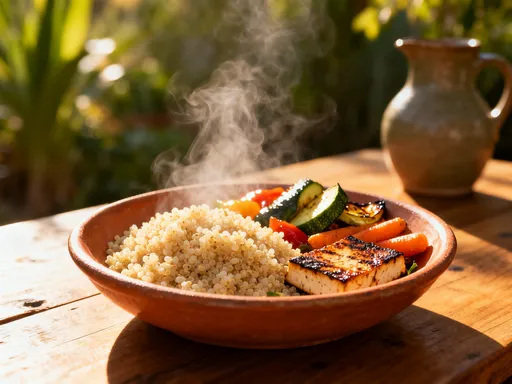
The kitchen became a place of creativity, not restriction. I hosted a small dinner with friends and served a low-salt meal—roasted salmon with dill and lemon, quinoa with herbs, and a kale salad with apple and walnuts. To my surprise, no one missed the salt. One guest even asked, “Did you use a special seasoning? Everything tastes so fresh.” That moment confirmed it: flavor doesn’t come from salt alone. It comes from care, attention, and a willingness to explore.
Body Changes I Didn’t Expect: Beyond the Scale
The most noticeable change was how much less bloated I felt. Within a week, the puffiness in my face and fingers diminished. My rings fit more comfortably. My clothes felt looser, even though I hadn’t lost weight. This wasn’t fat loss—it was water loss, a sign that my body was no longer struggling to manage excess sodium.
My energy levels stabilized. Instead of the post-lunch slump, I felt more alert and focused. I attributed this not just to lower sodium, but to eating more whole foods and fewer processed ones. My sleep improved too. I fell asleep more easily and woke up feeling more rested. While the connection between sodium and sleep isn’t always direct, I suspect that better fluid balance and reduced nighttime thirst played a role.
I also noticed less swelling in my ankles, especially during long days or travel. This was a relief, as I had always been prone to fluid retention. My skin appeared clearer and more even-toned. While hydration and other factors contribute, reducing inflammation from excess sodium likely helped. Friends commented that I looked “more radiant” or “well-rested,” even when I hadn’t changed my skincare routine.
Perhaps the most profound change was internal. I felt more in tune with my body. I paid attention to how different foods made me feel, not just in the moment, but hours later. I began to recognize when I was truly hungry versus when I was craving salt out of habit. This awareness extended beyond food—it influenced how I approached stress, movement, and rest. Body care became holistic, not just about appearance, but about how I lived each day.
Staying on Track: Making It Last Without Feeling Deprived
Sustainability is the key to any lasting change. A low-salt diet isn’t a short-term fix; it’s a long-term approach to feeling better. The goal isn’t perfection, but consistency. I learned to plan ahead—cooking large batches of soups, stews, and grains on weekends so I’d have healthy options during busy weekdays. I kept a well-stocked pantry with dried beans, whole grains, herbs, and spices, making it easier to throw together a meal without relying on processed ingredients.
Grocery shopping became more intentional. I stuck to the perimeter of the store—produce, dairy, meat—where whole foods are located. When I ventured into the center aisles, I read labels carefully and chose products with the lowest sodium options. I looked for “no salt added” canned vegetables and beans, and rinsed them before use to remove even more sodium.
Dining out required strategy. I learned to ask questions—could the chef prepare a dish with no added salt? Could sauces be served on the side? I chose grilled or steamed options over fried or sauced ones. I brought my own salad dressing to restaurants when needed. I didn’t avoid social meals; instead, I participated fully, enjoying the company while making mindful choices.
The mindset shift was crucial. Instead of thinking, “I can’t have that,” I began to think, “I choose this because it supports how I want to feel.” This wasn’t deprivation—it was self-respect. Each meal became an act of care, a quiet commitment to my well-being. Over time, the desire for highly salted foods faded. My palate changed, and so did my preferences. I no longer craved the sharp bite of excess salt. I craved freshness, balance, and nourishment.
Conclusion: A Calmer Body, A Clearer Mind
Lowering salt wasn’t a drastic overhaul—it was a series of small, informed choices. The benefits built quietly but surely. My blood pressure returned to a healthy range. The bloating disappeared. My energy became more stable. These changes weren’t dramatic, but they were meaningful. This diet isn’t a cure, but a foundation for long-term body care. It’s not about fear, but respect for what your body can do when you give it a chance.
What I’ve learned is that real wellness starts not with big fixes, but with listening closely—and responding with kindness. Your body sends signals every day. Bloating, fatigue, puffiness—they’re not just inconveniences. They’re invitations to pay attention. Reducing salt is one way to honor that invitation.
If you’re considering a change, talk to your doctor—especially if you have health concerns like high blood pressure, kidney disease, or heart conditions. A healthcare provider can help you set appropriate goals and monitor your progress. And remember: you don’t have to do it all at once. Start by reading one label. Swap one high-sodium food for a lower-sodium alternative. Add one new herb or spice to your cooking. Small steps lead to lasting change.
In the end, this journey taught me that feeling lighter isn’t just about what you eat—it’s about how you live. It’s about making choices that support your energy, your comfort, and your long-term health. And sometimes, the simplest changes—like using less salt—can make the biggest difference.