Struggling with sleep felt like being stuck in a loop—tossing, turning, and dreading another tired day. I didn’t want pills or complicated routines. What changed? A simple, science-backed exercise habit that took less than 10 minutes a day. No hype, just real results. If you're tired of counting sheep and want natural, lasting improvement, this is for you. Let’s talk about how movement can reset your sleep—safely, effectively, and without overwhelm.
The Sleep Struggle: Why Insomnia Feels So Personal
For many women between 30 and 55, sleep disruption isn’t just occasional—it’s a recurring challenge woven into the fabric of daily life. Between managing household responsibilities, supporting children, and often maintaining a career, rest becomes a luxury rather than a priority. The frustration of lying awake at night, mind racing with unfinished tasks or unresolved worries, is deeply personal. It’s not merely about feeling tired the next day; it’s about the emotional toll that accumulates over weeks and months.
Chronic insomnia can erode confidence, diminish patience, and cloud judgment. Simple decisions feel overwhelming. Mornings begin not with energy but with dread, often met with multiple cups of coffee just to function. The emotional weight of poor sleep manifests as irritability, low motivation, and even mild anxiety. Over time, this cycle begins to affect relationships, productivity, and overall quality of life. Many women report feeling like they’re operating on autopilot, going through the motions without truly engaging with the moments that matter.
What makes insomnia particularly difficult is its invisibility. Unlike a visible injury or illness, there’s no outward sign that someone is struggling internally. Yet the consequences are very real. Research shows that long-term sleep deprivation increases the risk of cardiovascular issues, weakens immune function, and contributes to metabolic imbalances. The body needs consistent, restorative sleep to repair tissues, regulate hormones, and support brain health—especially during perimenopause and other transitional phases when hormonal fluctuations already challenge sleep stability.
It’s common for women in this age group to fall into patterns that unintentionally worsen sleep. Late-night screen use, consuming caffeine too late in the day, or using bedtime as the only “me time” can create a mental association between the bedroom and wakefulness. The brain learns to stay alert instead of winding down. This creates a self-reinforcing loop: poor sleep leads to fatigue, which reduces physical activity, which in turn further disrupts sleep. Breaking this cycle requires more than willpower—it demands a shift in daily habits that support the body’s natural rhythms.
The Hidden Link Between Movement and Sleep
One of the most underappreciated tools for better sleep is movement—specifically, gentle, consistent physical activity. While intense workouts have their place, they aren’t always necessary or even helpful when addressing insomnia. The key lies in understanding how even minimal movement influences the body’s internal clock, known as the circadian rhythm. This biological system regulates when we feel awake and when we feel sleepy, and it responds powerfully to cues from our environment and behavior.
Physical activity serves as one of the strongest natural signals to the circadian system. When you move your body, especially in daylight, you help anchor your internal clock to the 24-hour day. Morning movement, in particular, helps set the tone for alertness during the day and drowsiness at night. This happens because light exposure combined with physical activity boosts the production of cortisol—a hormone that, despite its negative reputation, plays a crucial role in waking the body up and maintaining energy throughout the day. When cortisol peaks appropriately in the morning, it allows melatonin, the sleep hormone, to rise naturally in the evening.
Movement also reduces levels of stress hormones like adrenaline and norepinephrine, which are often elevated in people with insomnia. These chemicals keep the nervous system in a state of readiness, making it difficult to relax. Even light exercise, such as walking or stretching, activates the parasympathetic nervous system—the part responsible for “rest and digest” functions. This shift helps calm the mind, slow the heart rate, and prepare the body for deep sleep.
Another benefit of daily movement is the buildup of sleep pressure. This refers to the gradual increase in the body’s need for sleep over the course of the day, driven by the accumulation of a chemical called adenosine. Physical activity accelerates this process, making you feel more tired at bedtime. Unlike sedentary days, where sleepiness may never fully develop, even modest movement ensures that your body reaches a point of genuine fatigue by nightfall. This natural sleep drive is far more effective and sustainable than relying on external aids.
Why Quick Fixes Fail—And What Actually Works
In the search for relief, many turn to quick solutions—sleeping pills, herbal supplements, or drastic lifestyle changes. While these may offer temporary relief, they often fail to address the root cause of insomnia. Prescription sleep medications, for example, can help in the short term but carry risks of dependency, reduced effectiveness over time, and side effects such as grogginess or memory issues. Over-the-counter sleep aids frequently contain antihistamines, which may induce drowsiness but do not promote restorative sleep and can lead to next-day fog.
Herbal remedies like melatonin are popular, yet their effectiveness varies widely. For some, melatonin supplements help reset a disrupted sleep schedule, particularly after travel or shift work. However, for others, especially those with chronic insomnia, melatonin alone does little to resolve underlying issues like anxiety, poor sleep hygiene, or low physical activity. Taking melatonin without addressing these factors is like turning off an alarm without investigating the fire.
Another common misconception is that intense exercise is required to improve sleep. While vigorous workouts do offer benefits, they aren’t always practical or advisable, especially for those already fatigued. High-intensity training late in the day can actually elevate core body temperature and stimulate the nervous system, making it harder to fall asleep. The belief that only hard workouts count discourages many from starting any routine at all—especially women juggling multiple responsibilities who may feel they don’t have time or energy for long gym sessions.
What truly works is consistency, not intensity. Small, regular movements—such as a 10-minute walk, a few minutes of stretching, or simple breathing exercises—can have a profound cumulative effect. These activities don’t require special equipment, a lot of time, or high energy levels. Instead, they integrate seamlessly into daily life and support the body’s natural ability to regulate sleep. The goal isn’t to exhaust yourself but to create a rhythm of gentle stimulation followed by relaxation, teaching the body to distinguish between activity and rest.
My 10-Minute Daily Routine That Changed Everything
The routine that transformed my sleep wasn’t complicated or time-consuming. It consisted of three simple components: light cardio, gentle stretching, and mindful breathing. Each part served a specific purpose, and together, they created a powerful synergy that helped reset my sleep patterns within weeks. The entire practice took less than 10 minutes and could be done at home, with no special gear or preparation.
In the morning, I started with three minutes of light cardio—usually marching in place or doing slow jumping jacks while standing near a window to catch natural light. This combination of movement and daylight exposure helped signal to my brain that the day had begun. It boosted alertness without overstimulating my system. The slight increase in heart rate was enough to activate my circadian rhythm and set a healthy cortisol curve for the day.
Next came four minutes of gentle stretching, focusing on areas that tend to hold tension: neck, shoulders, lower back, and hips. I performed slow neck rolls, shoulder shrugs, seated forward bends, and gentle spinal twists. These movements weren’t about flexibility or performance—they were about releasing physical tension that often builds up from daily stress and posture. Holding each stretch for 20 to 30 seconds allowed my muscles to relax and my nervous system to shift toward calmness.
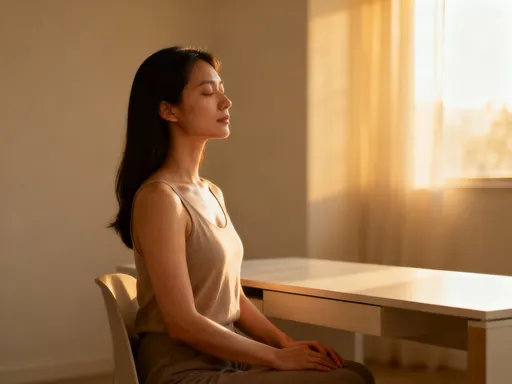
The final three minutes were dedicated to diaphragmatic breathing. I sat comfortably, placed one hand on my chest and the other on my abdomen, and took slow, deep breaths—inhaling through the nose for a count of four, holding briefly, and exhaling through the mouth for a count of six. This extended exhalation activated the vagus nerve, a key component of the parasympathetic nervous system, which helps slow the heart rate and reduce mental chatter. Practicing this in the morning created a sense of centeredness that carried through the day.
I also adapted this routine for evenings when needed. Instead of light cardio, I replaced it with a short walk around the block or gentle yoga poses like child’s pose or legs-up-the-wall. The stretching remained similar, but slower and more restorative. Evening breathing exercises were done in bed, helping transition the mind from wakefulness to sleep. Over time, this short ritual became a cue—my body began to associate these movements with relaxation and rest.
When and How to Move for Maximum Sleep Impact
Timing plays a critical role in how movement affects sleep. The body responds differently to physical activity depending on the time of day. Morning movement, especially when paired with sunlight, is one of the most effective ways to stabilize the circadian rhythm. Exposure to natural light within the first hour of waking helps suppress melatonin and synchronize the internal clock. Even on cloudy days, outdoor light is significantly brighter than indoor lighting and provides a strong signal to the brain.
Midday movement offers another opportunity to reinforce this rhythm. A brief walk during lunch, a few minutes of stair climbing, or even standing and stretching at your desk can prevent the afternoon energy slump and reduce the temptation to nap later. Short bursts of activity throughout the day keep metabolism active and prevent the stagnation that often accompanies prolonged sitting. For women with busy schedules, these micro-movements are practical and sustainable—no need to carve out large blocks of time.
Evening movement should be calming rather than stimulating. Vigorous exercise within two to three hours of bedtime can raise core body temperature and delay sleep onset. However, gentle activities like walking, light stretching, or restorative yoga poses can enhance relaxation. These movements help release muscle tension accumulated during the day and signal to the body that it’s time to wind down. Pairing evening movement with a consistent bedtime routine—such as dimming lights, avoiding screens, and sipping herbal tea—strengthens the association between these behaviors and sleep.
For those with unpredictable schedules, the key is flexibility. The 10-minute routine can be split into smaller segments—three minutes in the morning, three at midday, and four in the evening. The important factor is consistency, not perfection. Whether done all at once or spread throughout the day, the cumulative effect supports better sleep over time. The goal is to make movement a natural part of daily life, not another item on a to-do list.
Real Changes: What Improved (And What Didn’t)
Within the first two weeks of starting the routine, I noticed a shift. Falling asleep became easier—I no longer spent 45 minutes or more lying awake, reviewing the day’s events or worrying about tomorrow. The time it took to fall asleep decreased from an average of 60 minutes to about 20. Nighttime awakenings became less frequent, and when I did wake up, I was able to return to sleep more quickly. These changes weren’t dramatic overnight, but they were consistent and meaningful.
Daytime energy improved noticeably. I relied less on coffee and felt more alert during the afternoon. My mood became more stable—I was less reactive to minor stressors and felt a greater sense of calm. This emotional shift was perhaps the most unexpected benefit. I hadn’t realized how much my sleep struggles were fueling low-grade anxiety until I began to sleep better and noticed the difference.
However, it’s important to be honest: this routine did not “cure” insomnia. There were still nights when sleep was elusive, especially during periods of high stress or hormonal changes. The improvement wasn’t perfection—it was progress. The difference was that on difficult nights, I no longer felt helpless. I had a tool that supported my body’s natural ability to rest, and that made a significant difference in how I approached sleep.
I also didn’t experience dramatic weight loss or physical transformation, nor was that the goal. The benefits were internal—better mental clarity, improved resilience, and a renewed sense of control over my well-being. This wasn’t about achieving an ideal body or performance metric; it was about reclaiming rest and vitality in a way that felt sustainable and kind to my body.
Making It Stick: How to Build a Lasting Habit
Sustaining a new habit requires more than motivation—it requires strategy. One of the most effective techniques I used was habit stacking: linking the 10-minute movement routine to an existing behavior. For example, I did it right after brushing my teeth in the morning or right before brewing my evening tea. This created a natural cue that made the routine easier to remember and implement.
Environment design also played a role. I kept a yoga mat visible in the living room and placed comfortable clothes within easy reach. Reducing friction—such as having to search for equipment or change clothes—made it more likely that I would follow through, even on tired or busy days. I also set a gentle reminder on my phone for the evening routine, not as a demand, but as a soft invitation to care for myself.
Tracking progress helped reinforce commitment. I used a simple calendar to mark days when I completed the routine. Seeing a streak build over time provided a sense of accomplishment and encouraged consistency. I avoided being rigid—if I missed a day, I simply resumed the next day without self-criticism. This attitude of self-compassion was essential in maintaining long-term adherence.
It’s also important to recognize that movement is one part of a larger picture. While this routine significantly improved my sleep, it worked best when combined with other healthy habits—maintaining a regular sleep schedule, limiting screen time before bed, and managing stress through mindfulness or journaling. For women experiencing persistent insomnia, especially if accompanied by other symptoms like mood changes or hormonal imbalances, consulting a healthcare provider is essential. Movement is a powerful supportive tool, but it is not a substitute for medical evaluation and care when needed.
Conclusion
Better sleep doesn’t require drastic measures or expensive interventions. Sometimes, the most effective solutions are the simplest ones—small, intentional actions repeated consistently over time. The 10-minute daily movement routine demonstrated that even minimal physical activity can have a profound impact on sleep quality, energy levels, and emotional well-being. It’s not about pushing the body to its limits, but about working with its natural rhythms to create balance and restore rest.
This approach is accessible, sustainable, and empowering. It doesn’t demand perfection or large time commitments. Instead, it offers a gentle, science-backed path to better rest—one that respects the realities of a busy, full life. For women navigating the complexities of midlife, where responsibilities often outweigh personal time, reclaiming sleep through simple movement is both practical and deeply nourishing.
You don’t need to overhaul your life to see results. You only need to begin—today, with just 10 minutes. Over time, those minutes add up, not just in better sleep, but in greater vitality, clarity, and peace. The journey to restful nights starts with a single step, a single stretch, a single breath. And it’s never too late to begin.